
You Might Be Applying It in the Wrong Place
Wayne Goss, makeup artist:
“Less, in the right place.”

That simple principle can completely change the way you apply concealer under your eyes.
We tend to think that the more visible our dark circles are, the more concealer we need. And if we want to look fresh and well-rested, why not cover the entire under-eye area with a bright, full layer of concealer?
But professional makeup artists often take the opposite approach.
Wayne Goss:
“If your concealer always looks a bit heavy, creased or obvious… there’s a good chance you’re putting it in the wrong place.”
In one of his tutorials, Goss demonstrates a very simple principle: instead of spreading concealer across the entire under-eye area, focus it where the shadow actually appears — often around the inner corner of the eye. That’s where you may need the most correction.
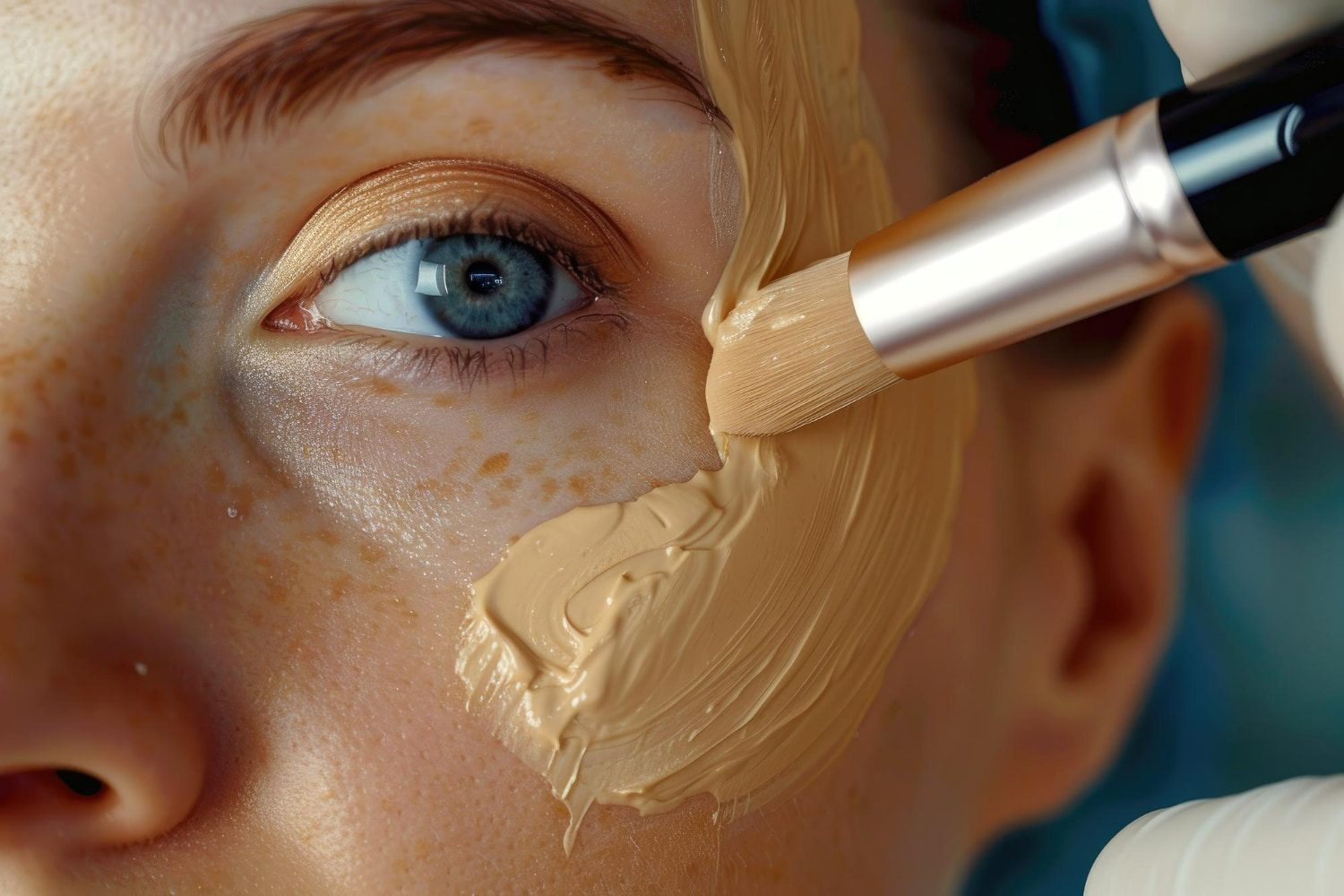
And it makes sense. The skin under our eyes is constantly moving. We smile, talk, squint — so a thick layer of product is much more likely to settle into natural creases and make the texture of the skin more noticeable.
Wayne Goss:
“Use a tiny amount of setting powder.”
In his detailed concealer tutorials, he recommends working with very thin layers and using only a small amount of powder. And he makes an important point: if you have visible fine lines, there’s no way to completely prevent concealer from settling into them — your skin is going to move.
But there’s another professional trick worth knowing.
Pati Dubroff, makeup artist:
“Anytime you brighten skin, it appears more prominent.”
That’s why she advises against simply applying a bright concealer directly over under-eye puffiness. When you brighten an area that already has volume, you can actually make it look more prominent.
Instead, the goal is to work with the shadow underneath the puffiness, where correction is actually needed.
And if the issue isn’t puffiness but rather a blue or purple undertone, a peach or salmon-toned corrector can sometimes work much better than layering on more light concealer.
Colby Smith, makeup artist:
“Pinpointing what is needed helps to keep it fresh.”
His approach is to treat the under-eye area in sections. He applies a lighter concealer only where more brightness is needed and uses a shade closer to the natural skin tone elsewhere. The result is a more seamless, natural-looking finish.
And that brings us to the most important lesson.
Professional makeup isn’t about using the maximum amount of product.
It’s about placing the minimum amount exactly where it’s needed.
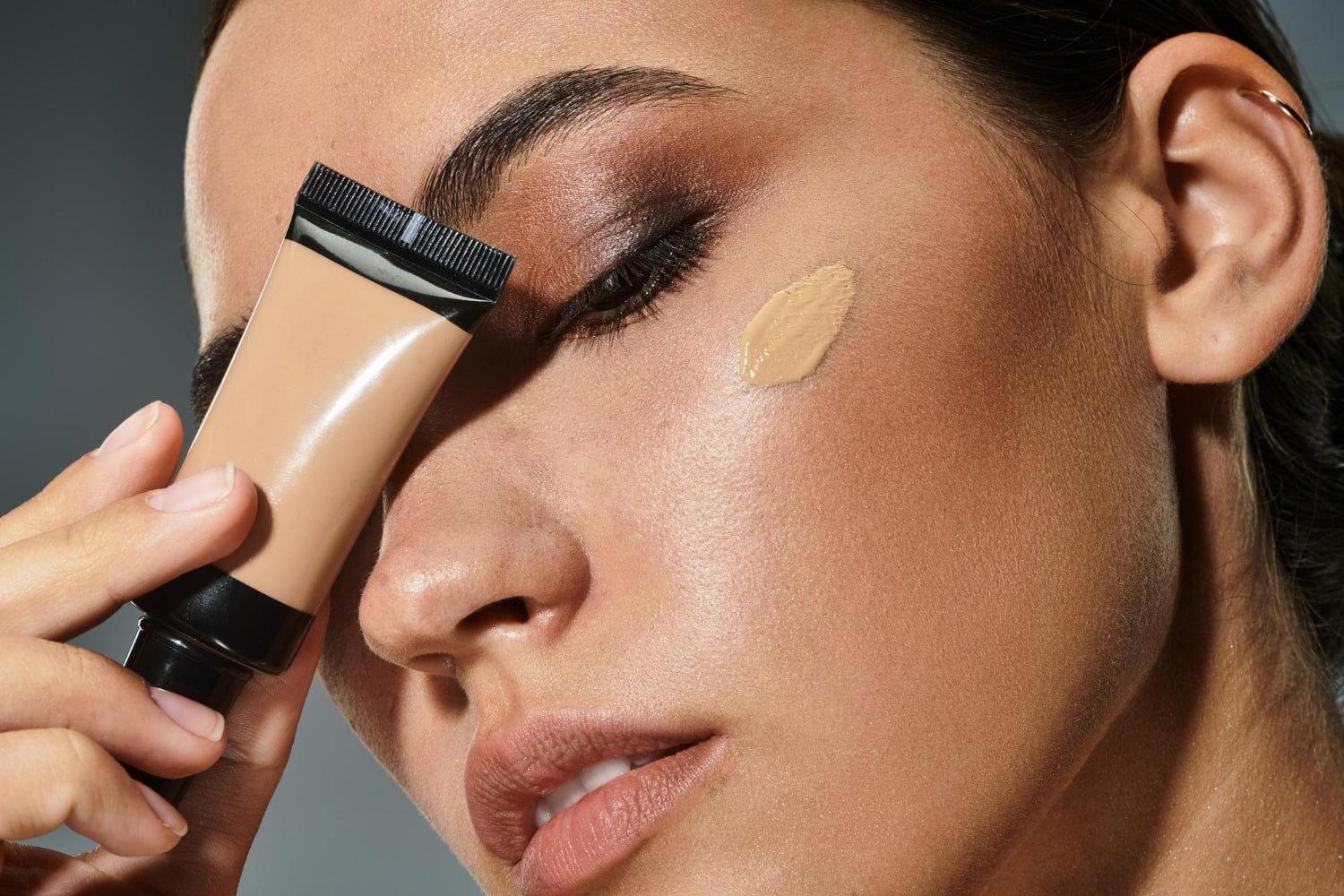
You don’t have to brighten the entire under-eye area. You don’t have to cover every line. Find the shadow, correct it, use a small amount of product — and let the natural texture of your skin remain visible.
Because sometimes, ironically, the “perfect” layer of concealer is exactly what makes us look older.
Read the article: Why Makeup Artists Leave Parts of the Skin Bare