
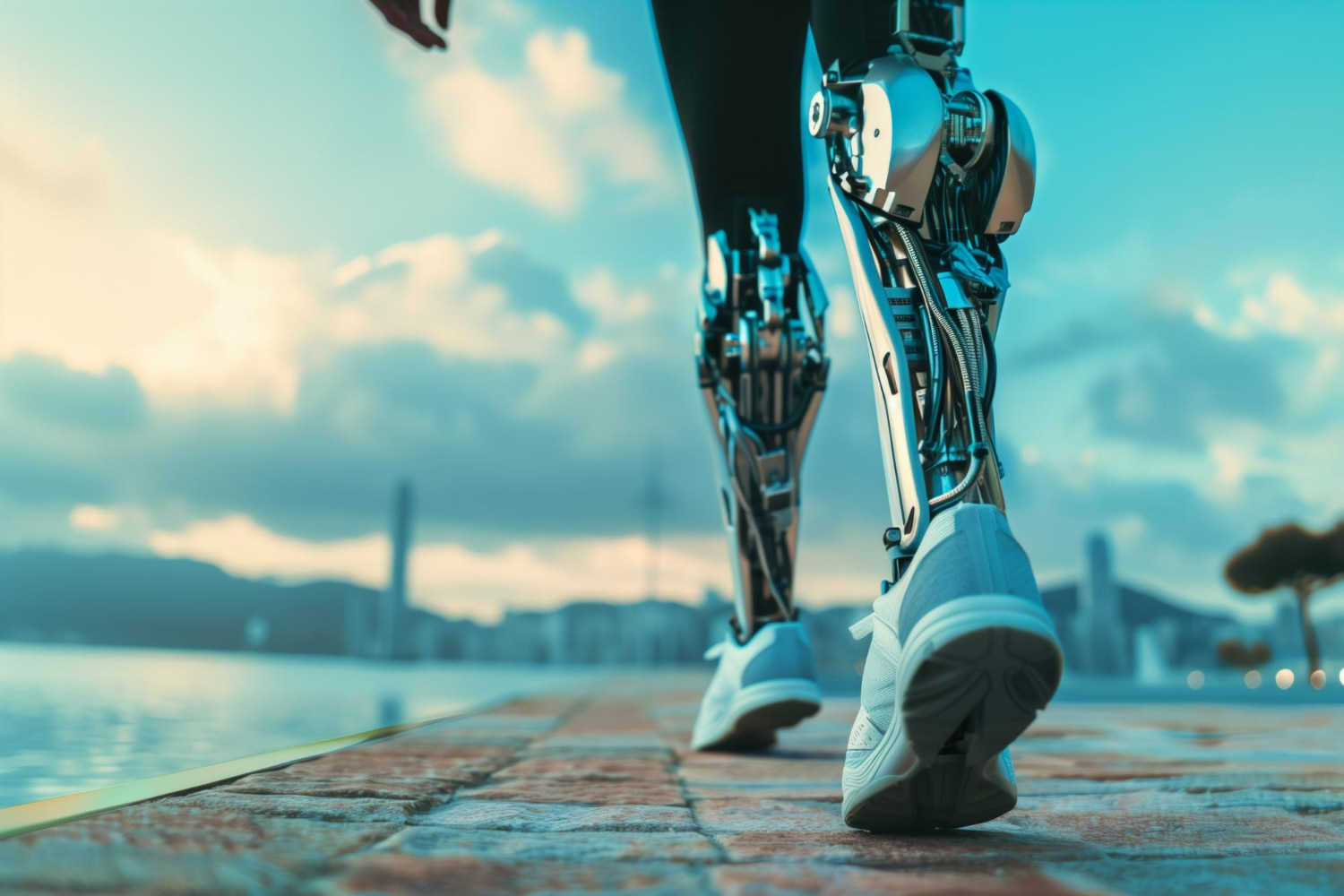
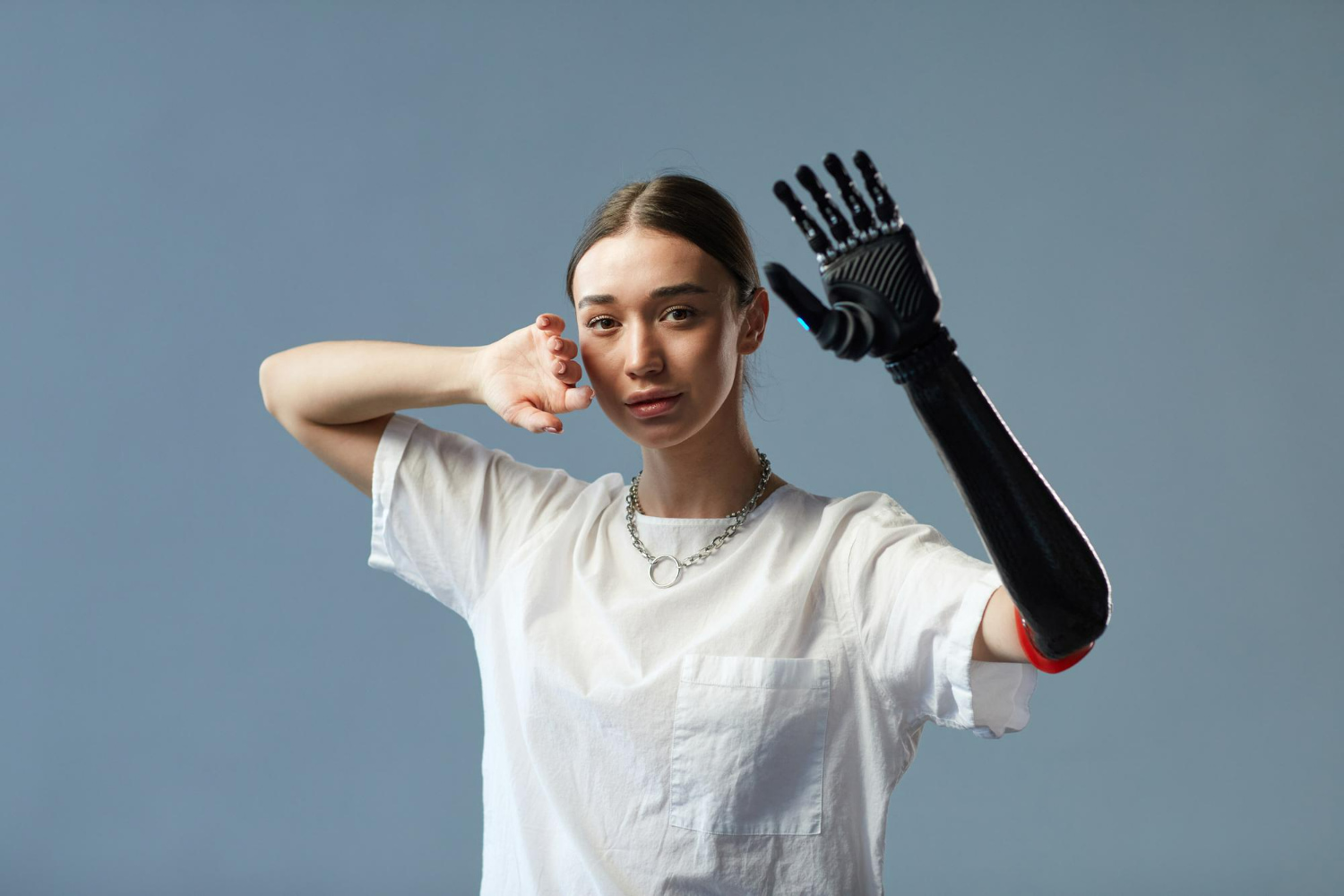
Imagine being unable to move your hand. You can’t pick up a glass of water, turn on the TV, or press a button on a computer. But then, you simply imagine moving your hand — and a robotic arm begins to move.
Sounds like science fiction? In fact, it has already happened.
One of the pioneers behind this technology is American neuroscientist John Donoghue. His research helped lay the foundation for the BrainGate system — a technology designed to translate electrical activity in the brain into commands for a computer or a robotic limb.

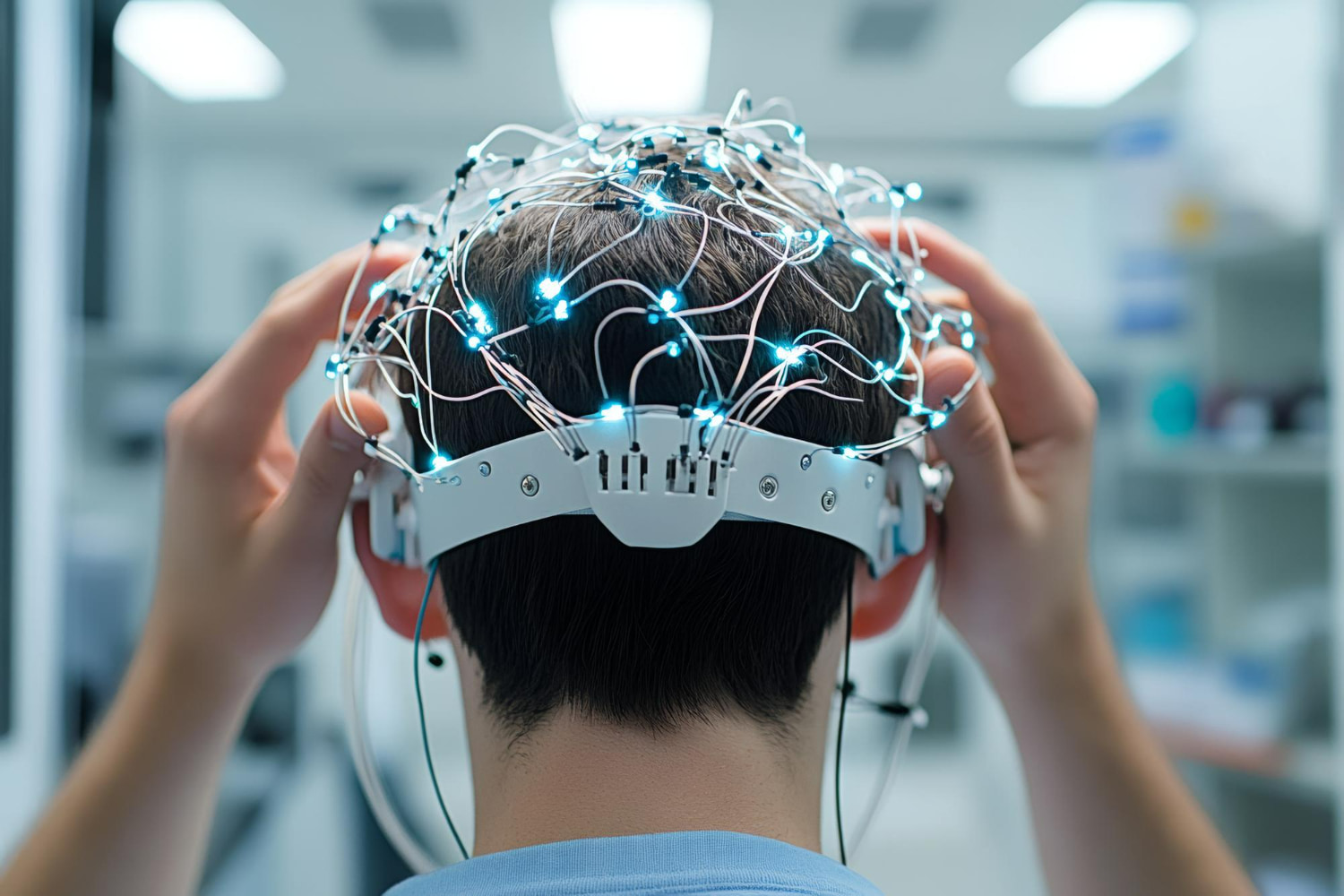
In the early experiments, scientists learned how to decode brain signals associated with movement. In 2002, Donoghue described the idea in simple terms:
“We replaced the control of the hand with the control of thought.”
— John Donoghue
At first, experiments were carried out with monkeys. Tiny electrodes recorded the activity of individual neurons, while a computer translated those signals into the movement of a cursor on a screen.
Then came the next, much more important step: testing the technology with people.
In 2006, a BrainGate study demonstrated that a person with paralysis could control a computer, play the video game Pong, and even operate a robotic limb using signals from their brain. Electrodes implanted in the motor cortex recorded neural activity, while a computer decoded those signals and transformed them into commands.
Donoghue later recalled how important it was to see that people could intentionally control their neural activity:
“When a person was asked to ‘think right’ or ‘think left,’ they could immediately change their neural activity.”
— John Donoghue
But the real breakthrough came later.
In 2012, study participant Cathy Hutchinson, who had been paralyzed following a stroke, was able to control a robotic arm. She reached for a bottle, grasped it, and brought it to her lips — using the signals generated by her brain and the intention to make the movement.
For Donoghue and his team, this was more than a scientific achievement. It showed that a person who could no longer move their own limbs could once again perform a purposeful action.
Today, researchers continue to develop this technology. BrainGate has evolved from controlling a computer cursor to operating robotic arms, typing words, and performing increasingly complex tasks.

And Donoghue’s vision goes even further:
“The golden day will be when a person with paralysis gets a BrainGate system and can go play basketball.”
— John Donoghue
Perhaps this is when we truly understand that this technology is not simply about building a robotic hand.
It is about giving people back their independence.
It is about making thought become movement once again.
Read the article: When Sunlight Becomes Energy