
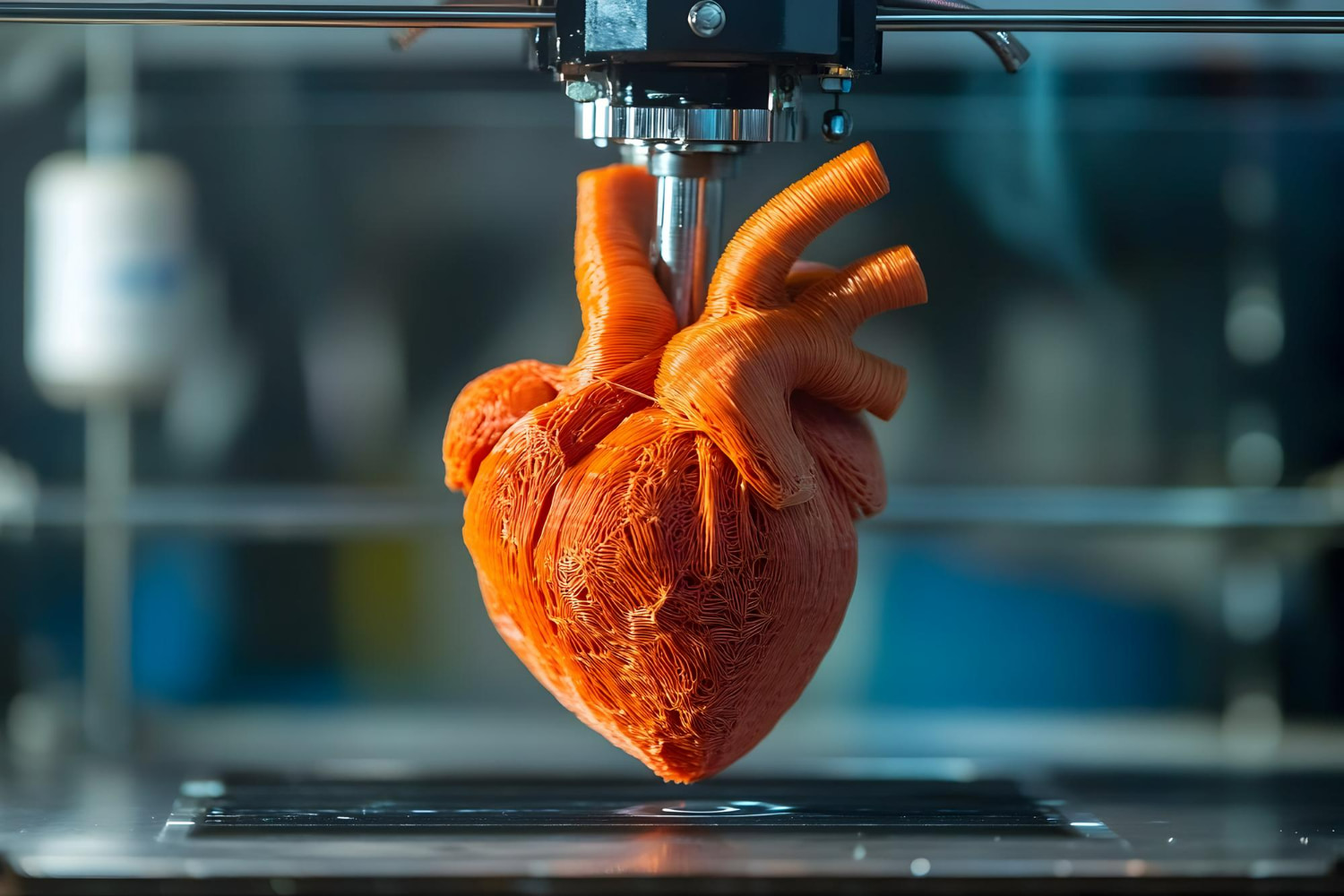
Imagine going to the doctor and, instead of being told that you have to wait years for an organ donor, hearing: “We can print you a new heart — using your own cells.”
Sounds like science fiction, right? But this is exactly the kind of future scientists are working toward.
One of the pioneers in this field is Anthony Atala, an American surgeon and researcher in regenerative medicine. Years ago, his team demonstrated that human tissues could be grown in the laboratory and used to help patients.

“If a patient has a defect or an injury, you can take an X-ray of that area… and then print a structure that matches that patient, using their own cells.”
— Anthony Atala
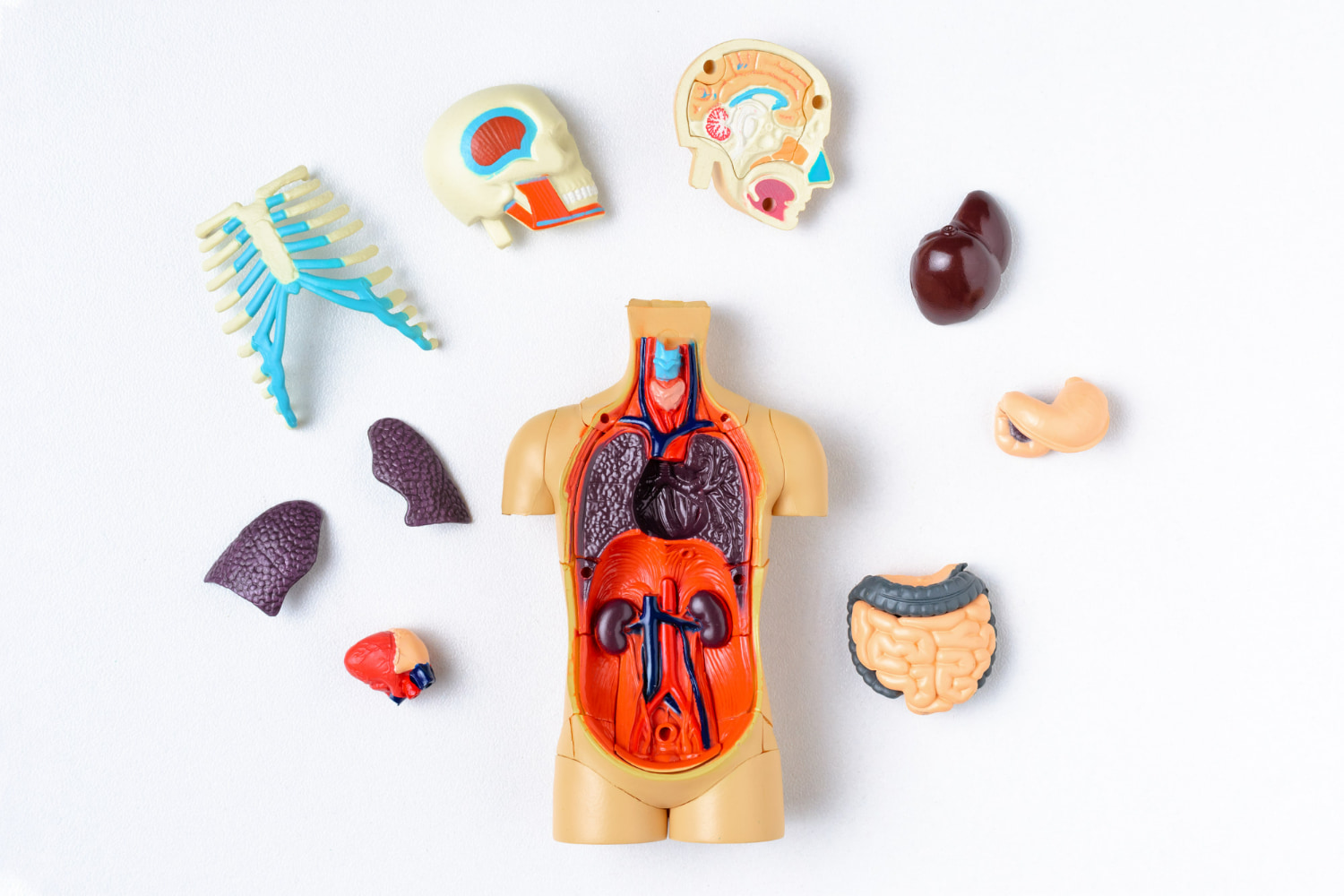
The basic idea behind bioprinting is surprisingly simple. Instead of plastic, the printer uses special “bio-ink” made from living cells combined with biomaterials. The printer deposits this material layer by layer, gradually building the desired structure.
Atala once demonstrated an experimental two-chamber heart on stage. According to him, the structure could be printed in about 40 minutes, and just a few hours later, the muscle cells began to contract.
“Instead of ink, we use cells.”
— Anthony Atala
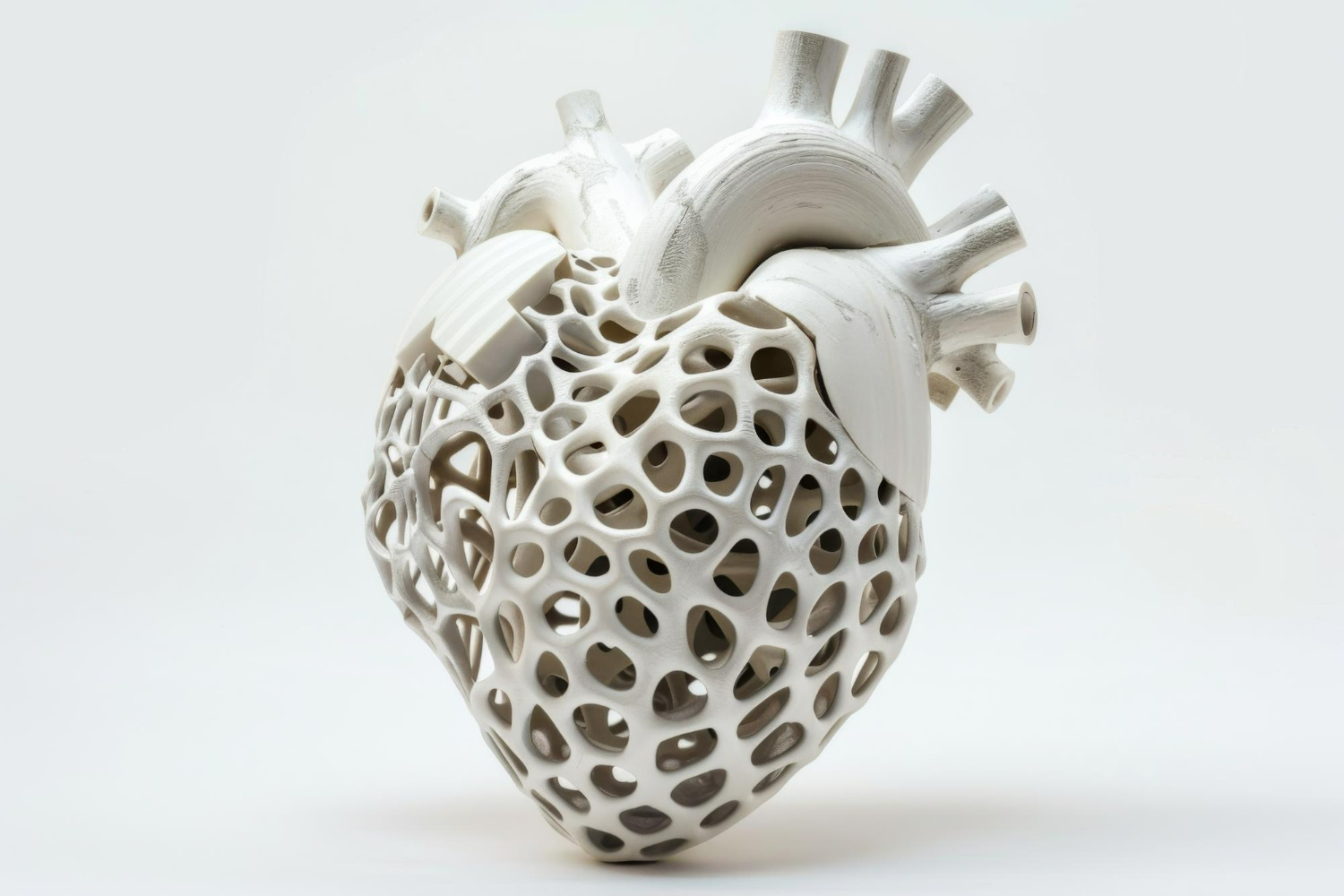
But this is where things get really interesting. Printing the shape of a heart is not the same as creating a functioning human heart. A real heart requires billions of cells, different types of tissue, a complex network of blood vessels, electrical conductivity, and the ability to beat continuously.
As Atala has emphasized:
“The most challenging solid organs are the highly vascularized organs, such as the heart, liver, and kidneys.”
— Anthony Atala
And this story is no longer happening only in laboratories. As a child, patient Luke Massella received a bladder grown using his own cells. His case became one of the well-known examples showing that regenerative medicine could move beyond the laboratory and into real patient care.
Today, scientists are taking the technology even further. In 2026, researchers created a 3D-bioprinted model of a human embryonic heart tube. It contained several different cell types, allowed fluid to pass through it, and demonstrated coordinated tissue contractions.
The idea of personalized organs is also becoming increasingly realistic. In 2026, the U.S. ARPA-H launched a major initiative aimed at developing ways to create organs “on demand,” using a patient’s own cells or immunologically compatible cells. Potential targets include kidneys, hearts, and livers.
But a fully bioprinted heart is not ready for the operating room just yet.
“We are not yet at the stage where we are implanting solid organs.”
— Anthony Atala
So, can we print a new heart?
The answer today is: we can already print heart tissues and increasingly complex heart models. But a fully functional human heart for transplantation remains one of the biggest challenges in regenerative medicine.
And perhaps the most incredible part isn’t simply that scientists have learned how to print living cells.
It’s that one day, medicine may be able to create a replacement for one of our own organs — using our own cells as the starting material.
Read the article: The Battery That Changed the World