


Imagine waking up in the morning and checking your phone for just five minutes. One notification, a few stories, a short TikTok video — and suddenly, half an hour is gone. We didn’t buy anything. We didn’t pay anyone. And yet, we lost something incredibly valuable: our time and our attention.
Back in 1971, economist and Nobel Prize winner Herbert Simon wrote a sentence that sounds almost prophetic today: “A wealth of information creates a poverty of attention.” His idea was simple: the problem of the modern world is no longer a lack of information, but our limited ability to pay attention to everything surrounding us.
Today, this idea has become the foundation of an entire economy.

Writer and professor Tim Wu, author of The Attention Merchants, argues that attention has become one of the most scarce and valuable resources in the modern world. Every day, companies compete for our eyes and our time — online, on television, on our phones, and even in the streets. As Wu puts it, “attention is going to be the last scarce resource.”

But why are companies so interested in our attention?
Because attention can be turned into money.
Former Facebook president Sean Parker once described how the company approached the problem of capturing users’ attention. He explained that one of Facebook’s early goals was to “consume as much of your time and conscious attention as possible.” The platform used small psychological rewards — such as likes and comments — to keep people coming back.
Former Google design ethicist Tristan Harris took this idea even further, comparing the smartphone to a slot machine. “Every time I check my phone, I’m playing the slot machine: What did I get?” he explained.
We never know exactly what we will see when we refresh our feed. A new message, an interesting video, a like, breaking news — or nothing at all. That uncertainty keeps us coming back, checking, scrolling and refreshing.
And this creates a paradox: social media may be free for us, but we are actually paying with one of the most valuable things we have — our time.
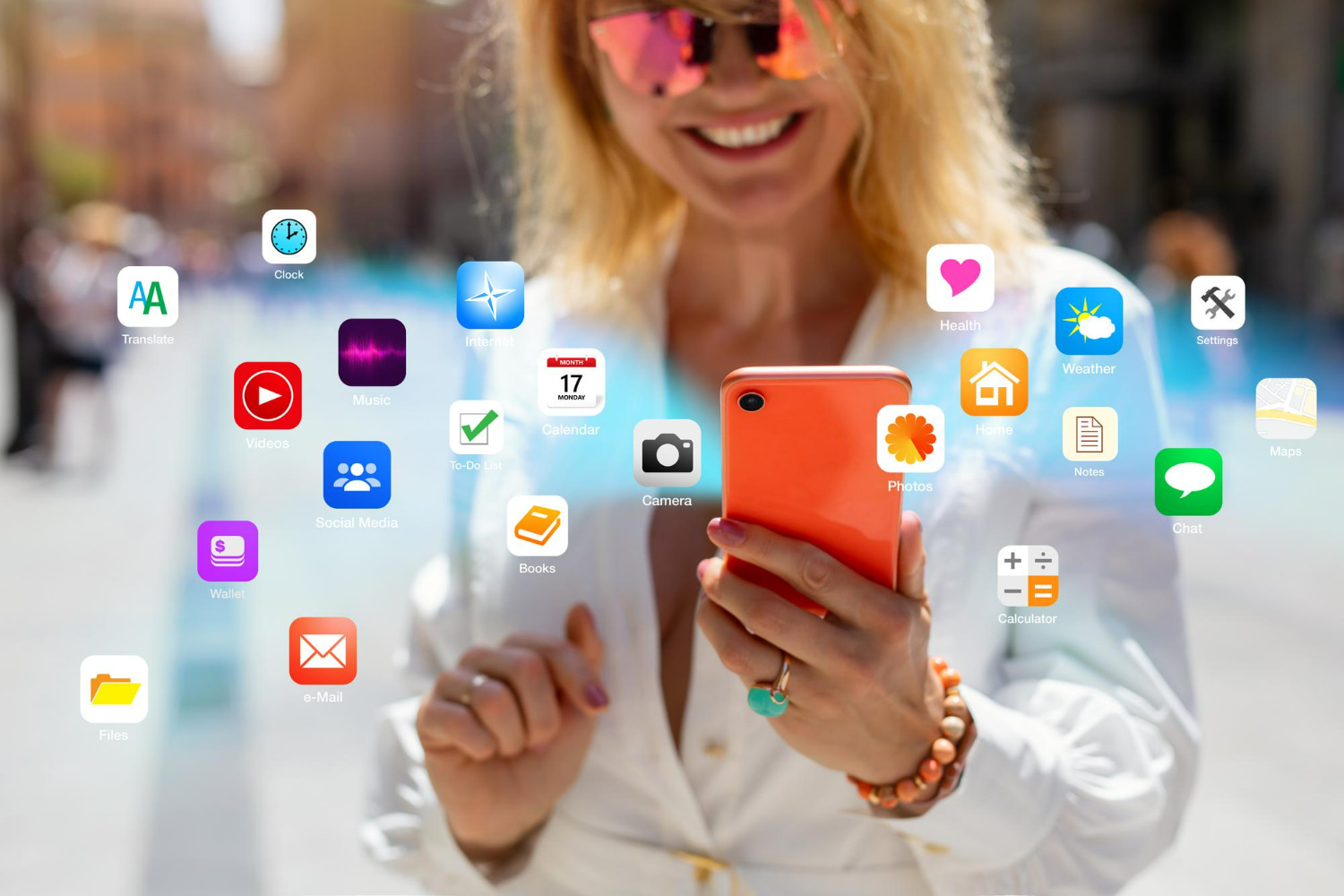
Researcher Shoshana Zuboff describes this system as “surveillance capitalism.” She argues that our everyday activities — our searches, online behavior, locations and habits — can be transformed into data that helps companies predict and influence human behavior.
And this brings us to the most important question:
If companies are constantly competing for our attention, who really owns our time?
Perhaps freedom in the digital age is not simply having the ability to watch anything we want. Perhaps it is having the ability to decide what deserves our minutes, our hours and ultimately, our years.
Because money can be earned again.

But the attention we give to the wrong person, the wrong advertisement or the wrong screen can never be given back.
Read the article: Profit Without a Conscience: Business or Compromise?