
For many people, hair is a symbol of beauty, confidence, and self-expression. But what happens when the pursuit of beauty begins to damage the very thing we’re trying to perfect?
One of the most well-known examples is supermodel Naomi Campbell. Throughout her decades-long career, she constantly wore tight ponytails, sewn-in weaves, extensions, and heavy wigs to meet the demands of the fashion industry. Behind the glamorous runway appearances, however, her hair was paying a heavy price.
Over time, Naomi developed traction alopecia—a form of hair loss caused by constant pulling and tension on the hair follicles. Photographs of her thinning hair attracted worldwide attention, and rather than hiding from the issue, she acknowledged what had happened.
In an interview with the Evening Standard, Campbell admitted:
“I do take more care of my hair now because I lost all of it with extensions.”
— Naomi Campbell
Her honesty helped bring attention to a condition that affects millions of people worldwide—not only celebrities, but anyone who regularly wears tight hairstyles, heavy extensions, or braids under excessive tension.
The American Academy of Dermatology warns that hairstyles such as tight braids, cornrows, ponytails, buns, and extensions can lead to traction alopecia if worn repeatedly over long periods. The damage is often reversible in its early stages, but permanent hair loss can occur if the tension continues.
Celebrity hairstylist Vernon François, known for promoting healthy hair care, emphasizes the importance of balance:
“Healthy hair should always come before the hairstyle.”
— Vernon François
His message reflects a growing movement in the beauty industry: fashion should never come at the expense of long-term hair health.
Dermatologist Dr. Crystal Aguh, a specialist in hair disorders, has also highlighted the importance of recognizing early warning signs:
“Pain is not beauty. If your hairstyle hurts, it’s too tight.”
— Dr. Crystal Aguh
This simple advice challenges a belief that many people have accepted for years—that discomfort is simply part of looking good.
Naomi Campbell’s story reminds us that even the most iconic beauty figures face real consequences from unrealistic standards. Today, many hairstylists encourage looser protective styles, regular breaks from extensions, and gentle daily care to protect the scalp and hair follicles.
Beauty should never require permanent sacrifice.
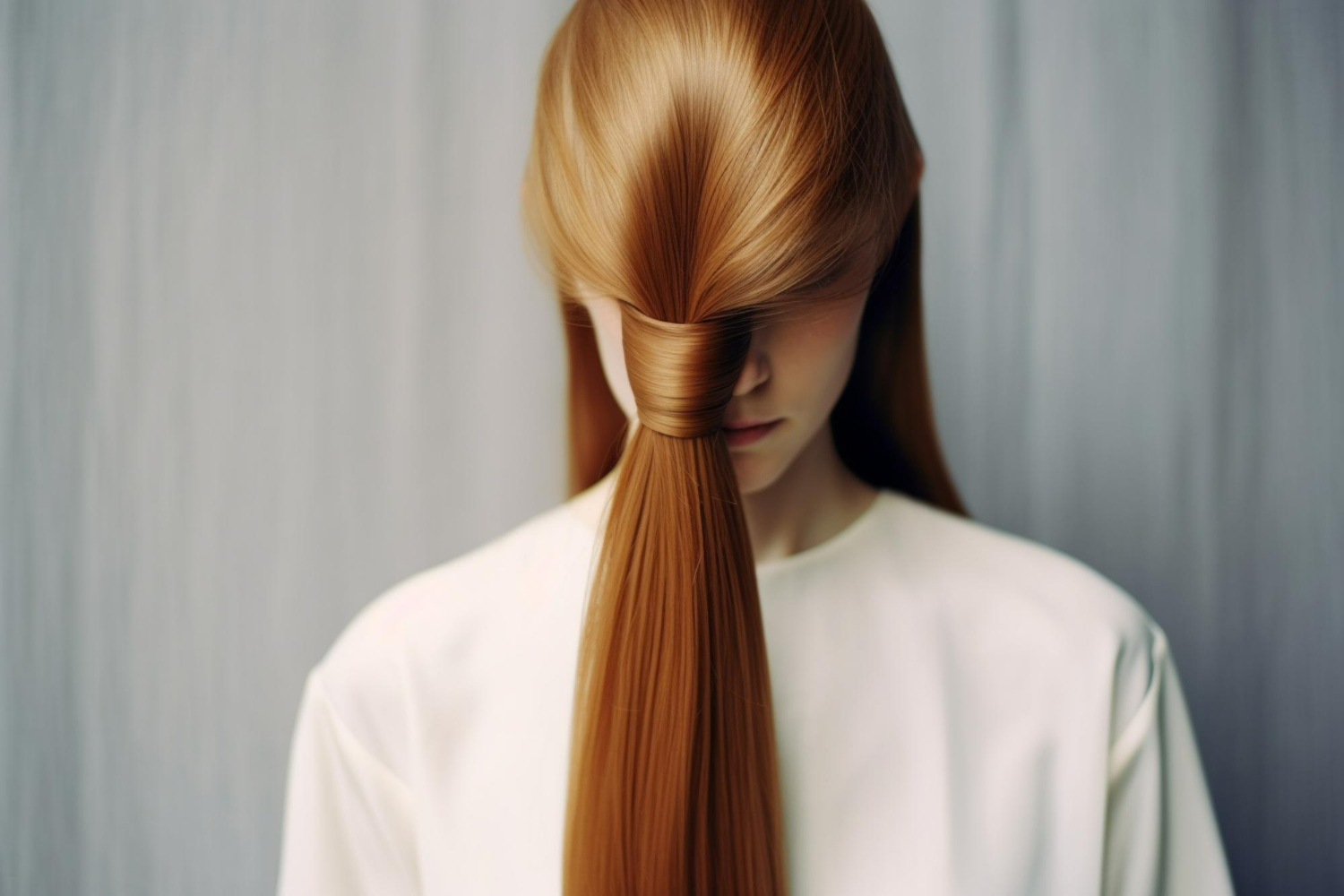
The next time you sit in a salon chair, remember Naomi Campbell’s experience. The most beautiful hairstyle isn’t necessarily the tightest, the longest, or the most dramatic—it’s the one that allows your hair to stay healthy for years to come.
Because true beauty doesn’t just look good today—it lasts.
Read the article: The Biggest Hair Care Mistake: Treating Your Hair Instead of Your Scalp