
The Truth About Aging, Hormones & Hair Care.
Have you ever noticed that your hair isn’t the same as it was ten or twenty years ago? After 30, it may become oilier or unexpectedly dry. After 40, it often loses volume and density. By 50, both its texture and growth rate can change dramatically. So, what’s really happening? Let’s explore the science through expert insights and real-life experiences.
“Around the age of 35, I realized that the products I’d relied on for years were no longer working. My hair became finer, I lost volume, and my scalp grew more sensitive. That’s when I understood that aging affects our hair just as much as it affects our skin.”
— Anabel Kingsley, Trichologist
As we age, our bodies naturally produce less collagen, blood circulation to the scalp slows down, and hair follicles receive fewer nutrients. As a result, hair strands become finer, grow more slowly, and may appear less full than before.
“After having children, I noticed my hair never quite returned to what it used to be. It wasn’t as thick, and it felt different. Once I changed my routine and started focusing on scalp health, I saw a remarkable improvement.”
— Dr. Sharon Wong, Consultant Dermatologist and Hair Specialist
Hormonal changes become increasingly important after 40. In women, estrogen levels gradually decline, while in men, the effects of androgens become more noticeable. These natural hormonal shifts can lead to thinner, more fragile hair and changes in texture.
“Hormonal changes are one of the most common reasons patients tell me their hair simply isn’t what it used to be. It’s a normal part of aging, but the right hair care routine can make a significant difference.”
— Dr. Wilma Bergfeld, Dermatologist, Cleveland Clinic
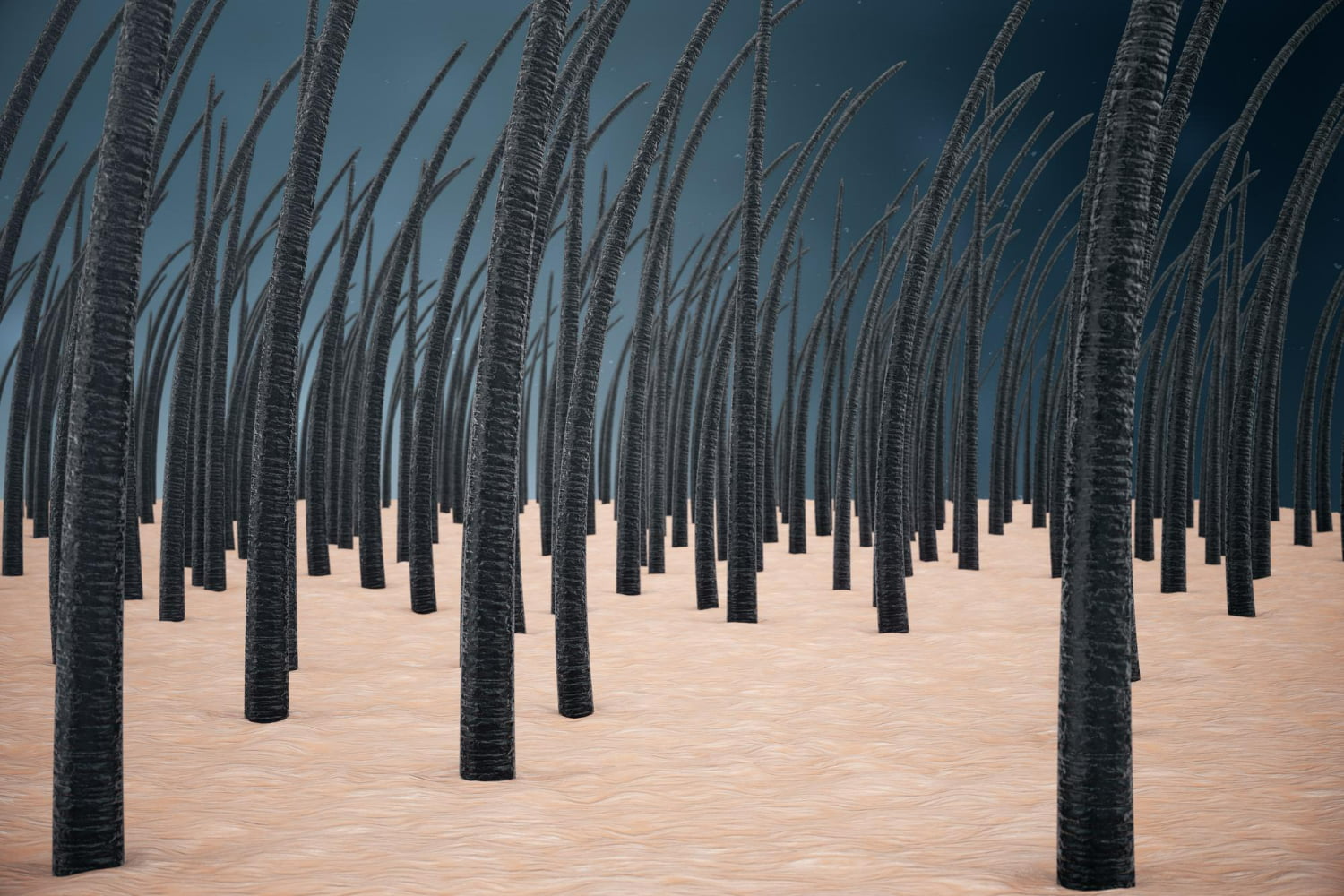
After 50, the scalp usually produces less natural oil, leaving hair drier and more vulnerable to breakage. That’s why the shampoo and conditioner that worked perfectly ten years ago may no longer meet your hair’s needs.
“I thought my hair problems were simply part of getting older. Then I switched to a gentler shampoo, started using conditioner every time I washed my hair, and added regular scalp massages. The difference was incredible.”
— A 58-year-old reader, Good Housekeeping
So, what actually helps?
Start by cleansing your scalp according to its current needs—not old habits. If your hair has become dry, choose moisturizing shampoos and nourishing conditioners or masks. Regular scalp massage can help stimulate circulation, and a balanced diet rich in protein, iron, vitamin D, and other essential nutrients supports healthy hair growth from within.
The truth is, aging changes your hair—and that’s completely normal. But it doesn’t mean your hair can’t remain healthy, strong, and beautiful. The key is to adapt your routine as your hair changes, instead of relying on products that worked a decade ago.
Read the article: Naomi Campbell’s Story and the Hidden Cost of Perfect Hair