

“Take care of your body. It’s the only place you have to live.”
— Jim Rohn
This quote perfectly reflects the topic of hair care. Today, the internet is filled with advice on how to make your hair grow faster, become thicker, and look healthier. However, not every popular tip is backed by science. Let’s take a closer look at three of the most common hair care myths.
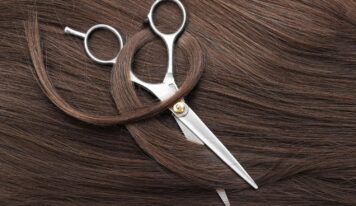
The first myth is that cutting your hair frequently makes it grow faster. In reality, this isn’t true. Hair grows from follicles located beneath the scalp, and its growth rate is determined by factors such as genetics, age, hormones, and overall health—not by how often you trim the ends. A haircut simply removes split and damaged ends, making your hair look healthier and reducing breakage. As a result, your hair retains its length better, creating the illusion that it is growing faster, even though the actual growth rate remains the same.

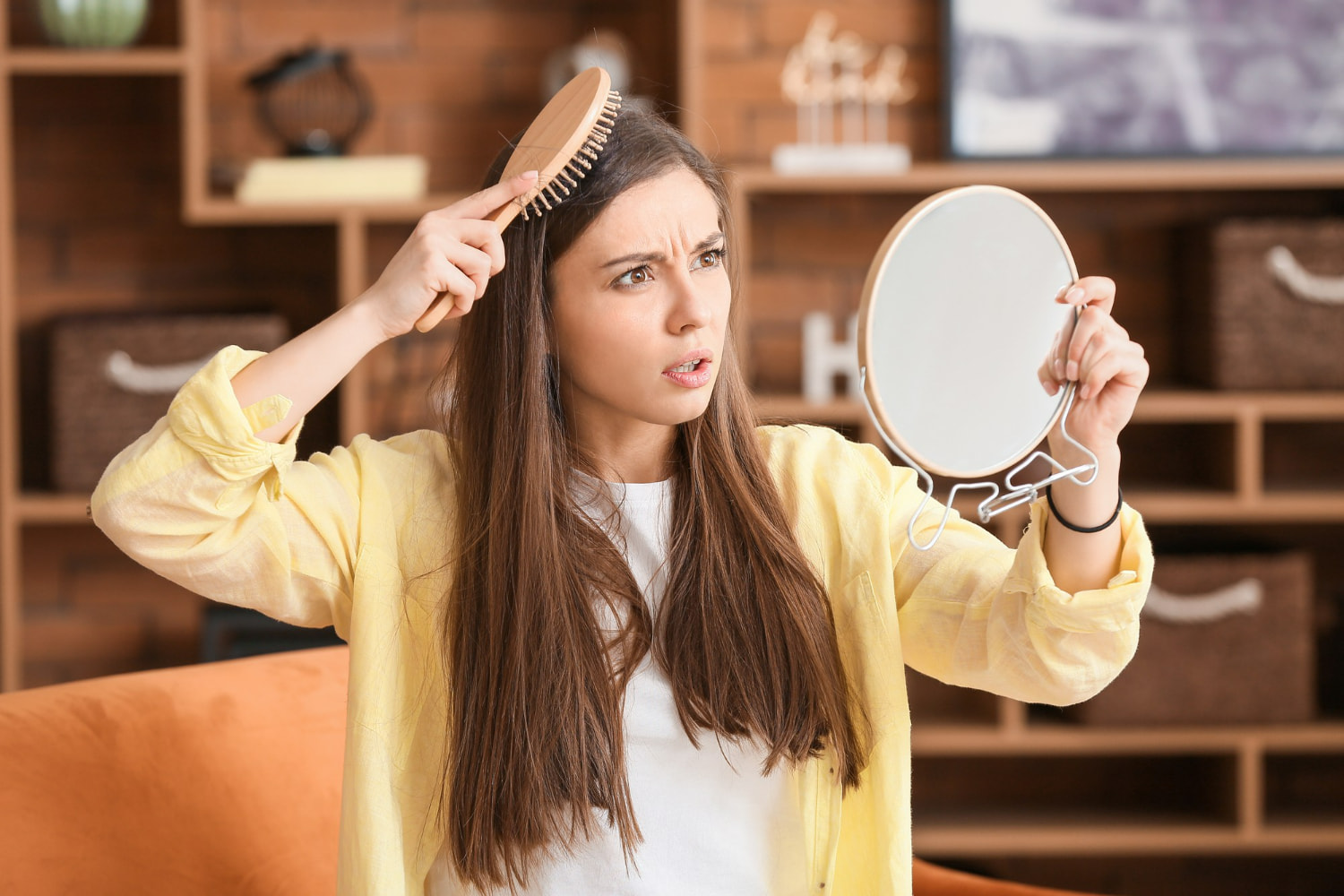
The second myth is that your hair gets used to your shampoo, so you need to switch brands regularly. This is also a misconception. Hair itself cannot become “used to” a shampoo because it is made of dead keratin cells. However, the condition of your scalp can change due to the seasons, diet, stress, hormonal changes, or hair coloring. That’s why you may occasionally need a different shampoo. The key is to change products when your hair or scalp’s needs change—not because your hair has supposedly developed a tolerance to your shampoo.
The third myth is that rinsing your hair with cold water seals the hair cuticle and makes your hair perfectly smooth. There is no scientific evidence to support this claim. The hair cuticle doesn’t open and close like a door. While cold water may slightly reduce frizz and make hair appear smoother, it cannot repair damage or “seal” the hair. Real improvements in hair health come from using the right conditioner, hair masks, leave-in treatments, and heat protection.
As the famous fashion designer once said:
“Beauty doesn’t require sacrifices. Beauty requires money.”
— Karl Lagerfeld
Today, however, we can add something to that idea: beauty also requires knowledge. Understanding how your hair actually works can help you avoid unnecessary treatments, wasted money, and misleading advice.
So before believing the next viral hair care tip on social media, ask yourself one simple question: Is it supported by scientific evidence? Science shows that healthy hair is the result of consistent care, a balanced diet, gentle handling, and choosing products that truly suit your hair—not following popular myths.
Remember, beautiful hair isn’t the result of magical hacks. It’s the result of informed choices and proper care. Because true beauty doesn’t require sacrifice—it requires knowledge.
Read the article: How to Make Your Hair Shiny and Silky?