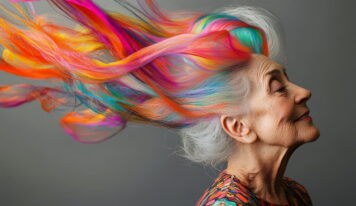

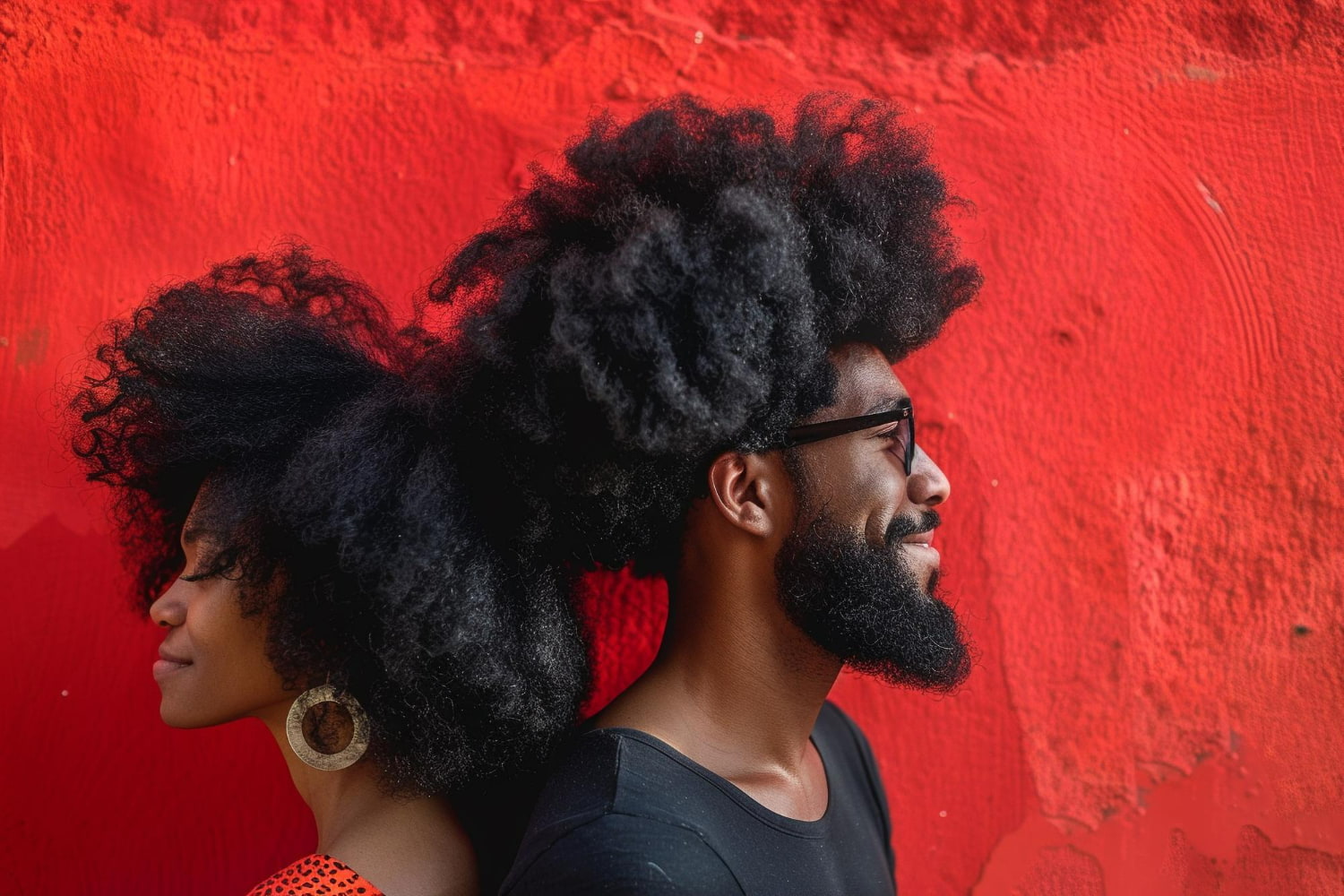
We often think of hair as just part of our appearance. But across cultures around the world, it has always been much more than that. Hair can symbolize strength, faith, freedom, and identity. Sometimes, a single hairstyle can tell a person’s story better than words ever could.
Let’s begin with the Indigenous peoples of North America. For many Native nations, long hair is far more than a tradition—it represents a spiritual connection to ancestors, nature, and one’s inner self. Arvol Looking Horse, the 19th Keeper of the Sacred White Buffalo Calf Pipe of the Lakota, once said:
“Our hair is an extension of our thoughts and our spiritual being.”
— Arvol Looking Horse
This is why the forced cutting of Indigenous children’s hair in boarding schools during the 19th and 20th centuries was not simply a change in appearance. It was an attempt to erase their cultural identity and disconnect them from their heritage.
Hair also holds deep meaning in many religious traditions. In Islam, Judaism, and Christianity, covering one’s hair or head can symbolize humility, devotion, and respect for God. In the Bible, the Apostle Paul wrote:
“If a woman has long hair, it is her glory, for her hair is given to her for a covering.”
— 1 Corinthians 11:15
For millions of people today, hair remains an important expression of faith, not just personal style.

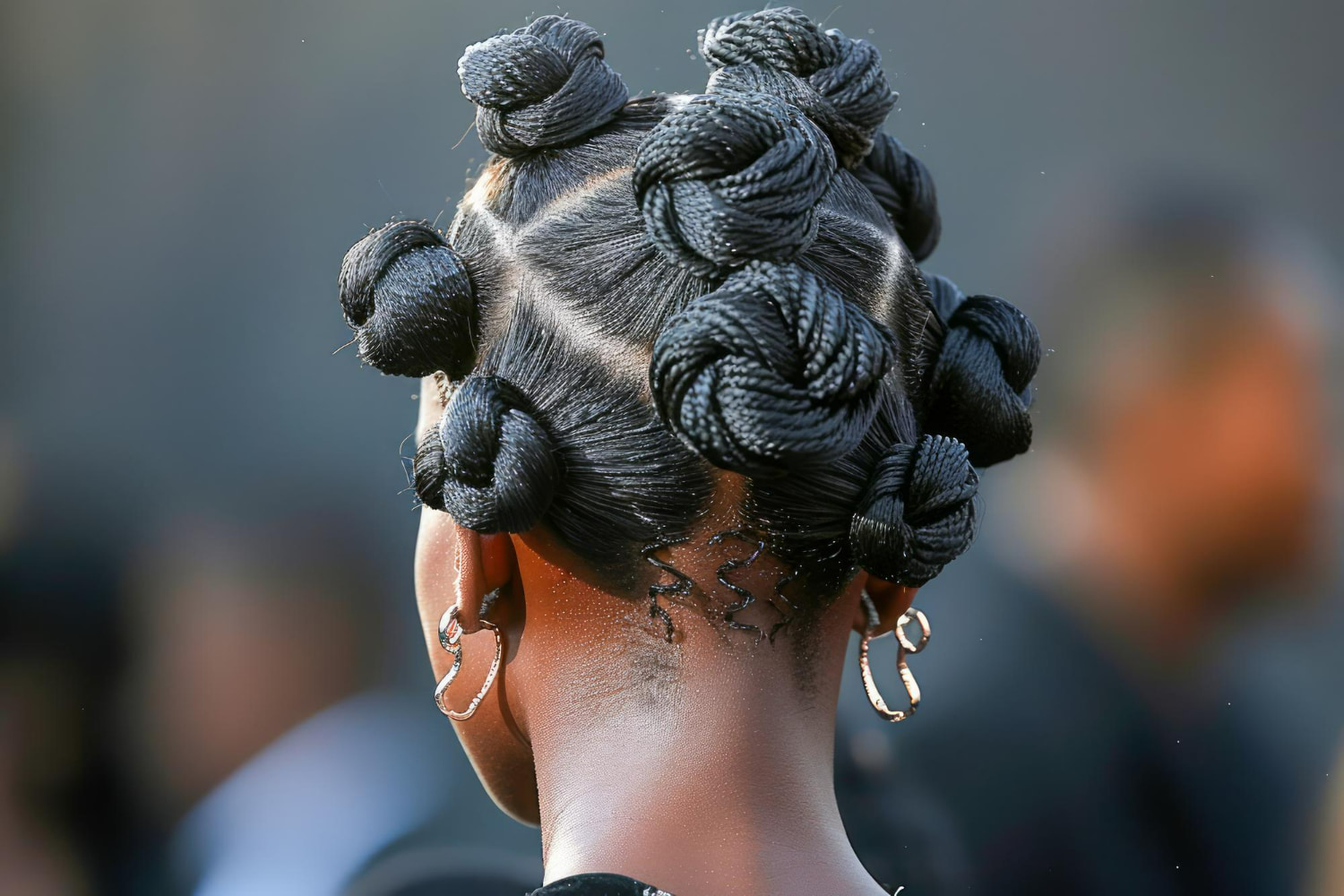
Another powerful example is Afro hairstyles. For centuries, they have served as a way to preserve the cultural heritage of African communities. During slavery, when many traditions were suppressed, hairstyles continued to communicate a person’s origins, age, family background, and social status.
The renowned American author and cultural critic bell hooks wrote:
“In our society, hair is never just hair.”
— bell hooks
Her words remain relevant today, as natural Afro hairstyles have become symbols of self-acceptance, cultural pride, and the celebration of Black identity.
European history tells a different story. In Ancient Rome, elaborate hairstyles reflected a woman’s wealth and social standing. During the 17th and 18th centuries, extravagant wigs became symbols of power and prestige among the European aristocracy. King Louis XIV of France played a major role in popularizing wigs, turning them into an essential part of royal fashion that soon spread across Europe.
Writer and cultural historian Emma Dabiri perfectly captures the significance of hair:
“Hair is never just aesthetics. It’s history, politics, and identity.”
— Emma Dabiri, author of Don’t Touch My Hair
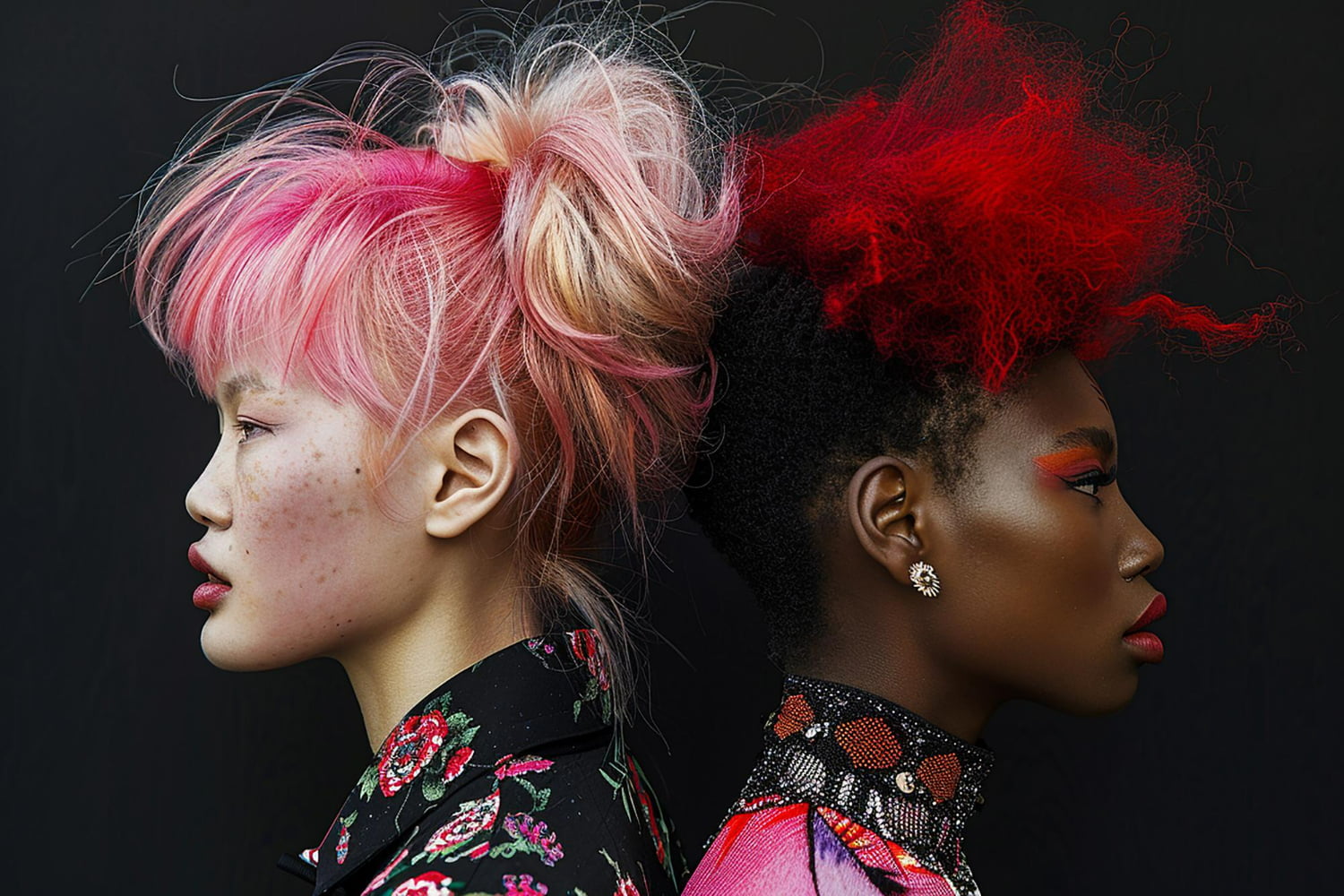
So, hair is much more than a fashion statement. It is a language of culture—a living record of our roots, beliefs, traditions, and struggles. The next time you notice someone’s hairstyle, remember: it may be telling a story you cannot see at first glance.
Read the article: Hair Care Myths Busted: What Science Really Says