


Many people think sunscreen is only necessary for beach vacations or hot summer days. However, dermatologists agree that one of the biggest contributors to visible skin aging isn’t age itself—it’s daily exposure to ultraviolet (UV) radiation. In fact, a large percentage of visible skin aging is caused by photoaging, the cumulative damage resulting from years of sun exposure.
UVA vs. UVB: What’s the Difference?
The sun affects your skin in two distinct ways. UVB rays primarily damage the outer layer of the skin and are responsible for sunburn. They are strongest during the summer months. UVA rays, however, penetrate much deeper into the skin. They are present year-round, pass through clouds and window glass, and quietly accelerate the aging process. This means you don’t have to get sunburned for your skin to suffer long-term damage.

Why Does the Sun Age Our Skin?
When UVA rays reach the deeper layers of the skin, they generate free radicals that activate enzymes responsible for breaking down collagen and elastin—the proteins that keep skin firm, smooth, and elastic. As collagen declines, the visible effects gradually appear: deeper wrinkles, loss of firmness, uneven skin tone, broken capillaries, and increased pigmentation. This process is known as photoaging.
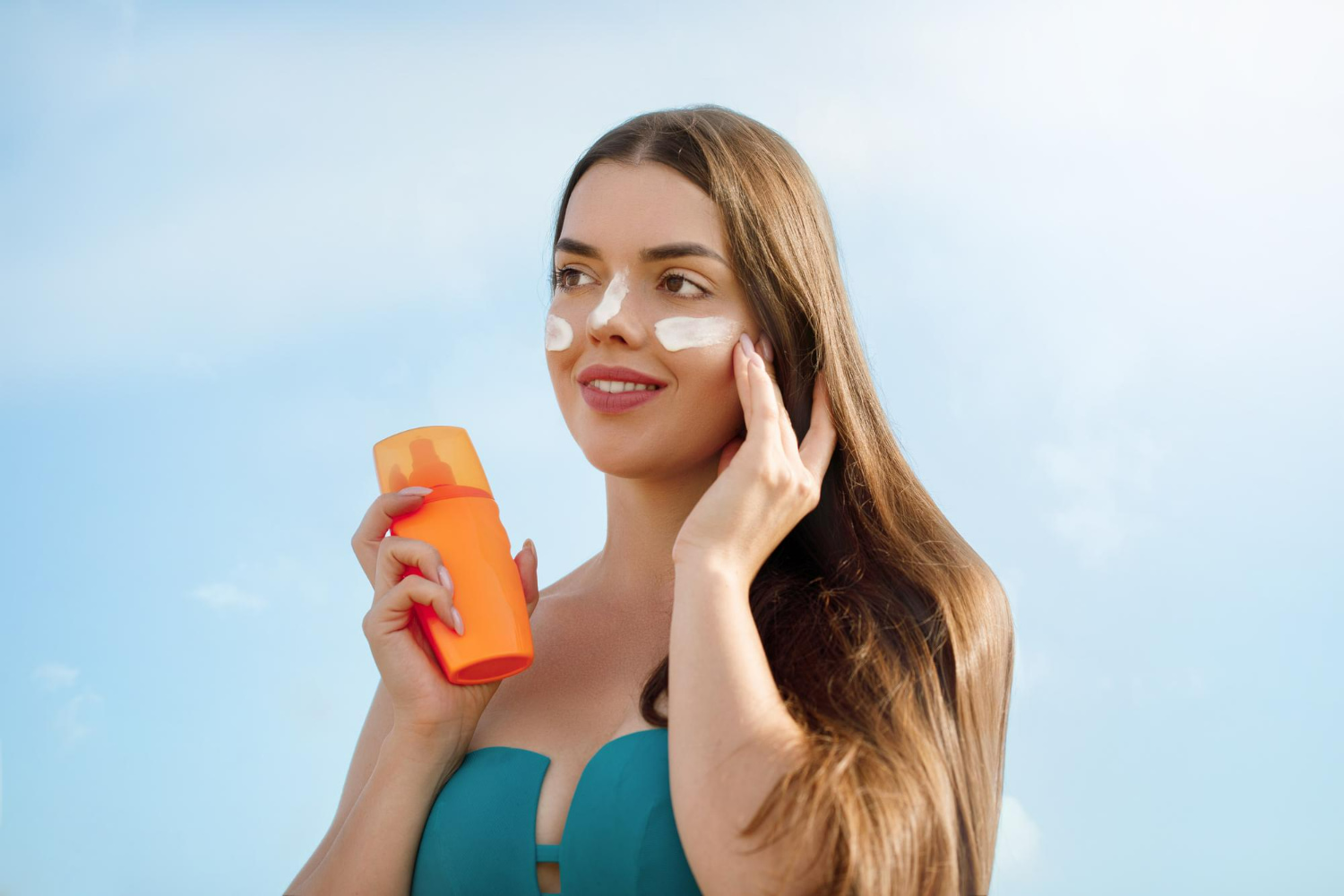
“The best anti-aging skincare is preventing damage before it occurs.”
— Dr. Leslie Baumann, dermatologist and author of The Skin Type Solution
Why Do Dark Spots Develop?
Many people believe pigmentation is simply a natural part of aging. In reality, dark spots are often the skin’s response to years of UV exposure. Even short periods of sunlight during your daily commute, while driving, or walking outside can accumulate over time and leave lasting marks on the skin.
“It’s much easier to prevent sun damage than to treat it later with cosmetic procedures.”
— Dr. Shari Lipner, dermatologist, Yale School of Medicine
How to Use SPF Correctly
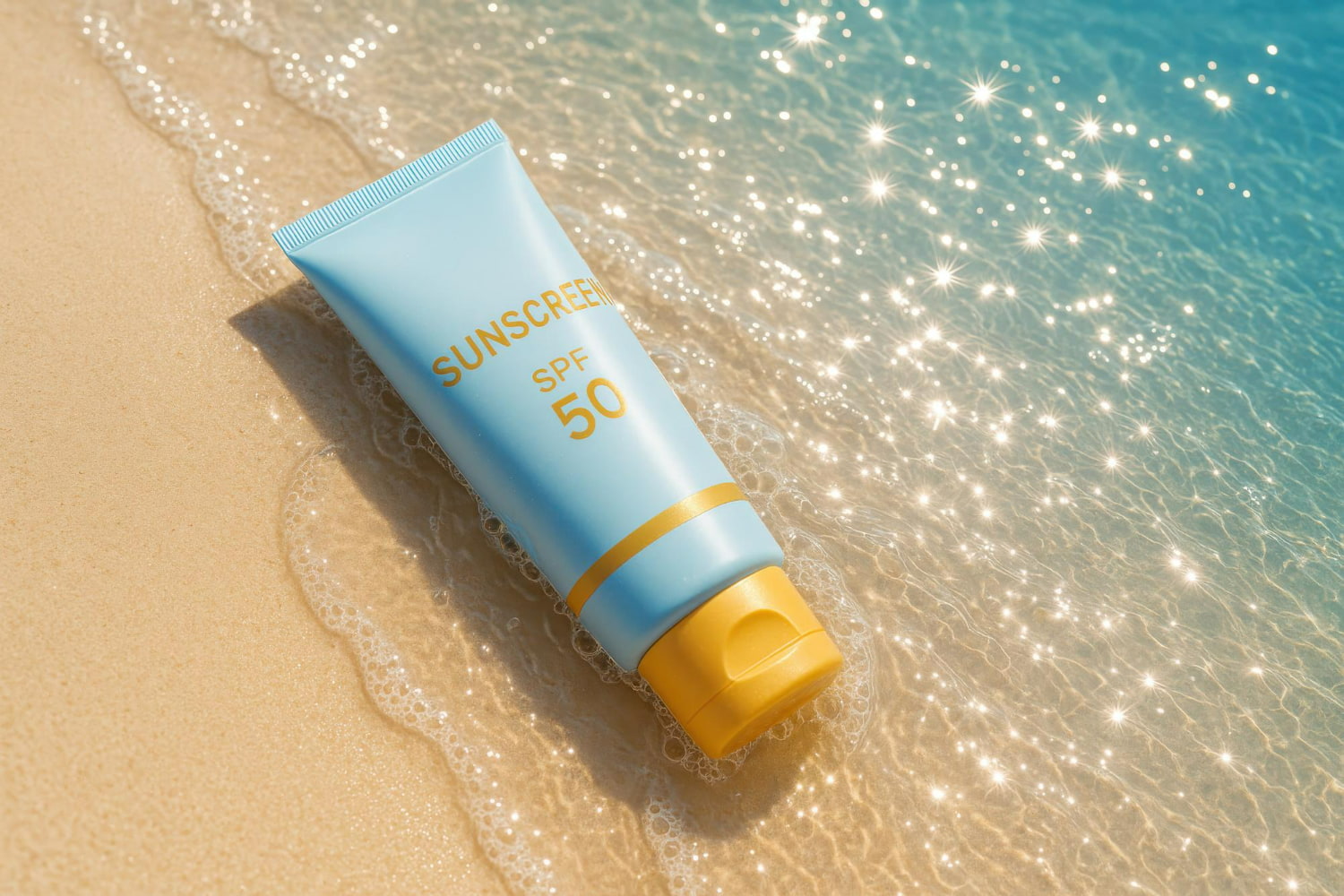
For sunscreen to be effective, consistency matters as much as the product itself.
- Apply a broad-spectrum SPF 30 or higher every morning.
- Put it on 15–20 minutes before going outdoors.
- Cover often-forgotten areas such as your neck, ears, eyelids, and the backs of your hands.
- Use about two finger lengths of sunscreen for your face.
- Reapply every two hours if you’re spending time outside or sweating.
- Remember that UVA rays are present even on cloudy days, so daily protection is essential—even in the city.
Tip of the Week
“The most effective anti-aging product isn’t the most expensive cream—it’s the sunscreen you wear every single day.”
— Blog Author
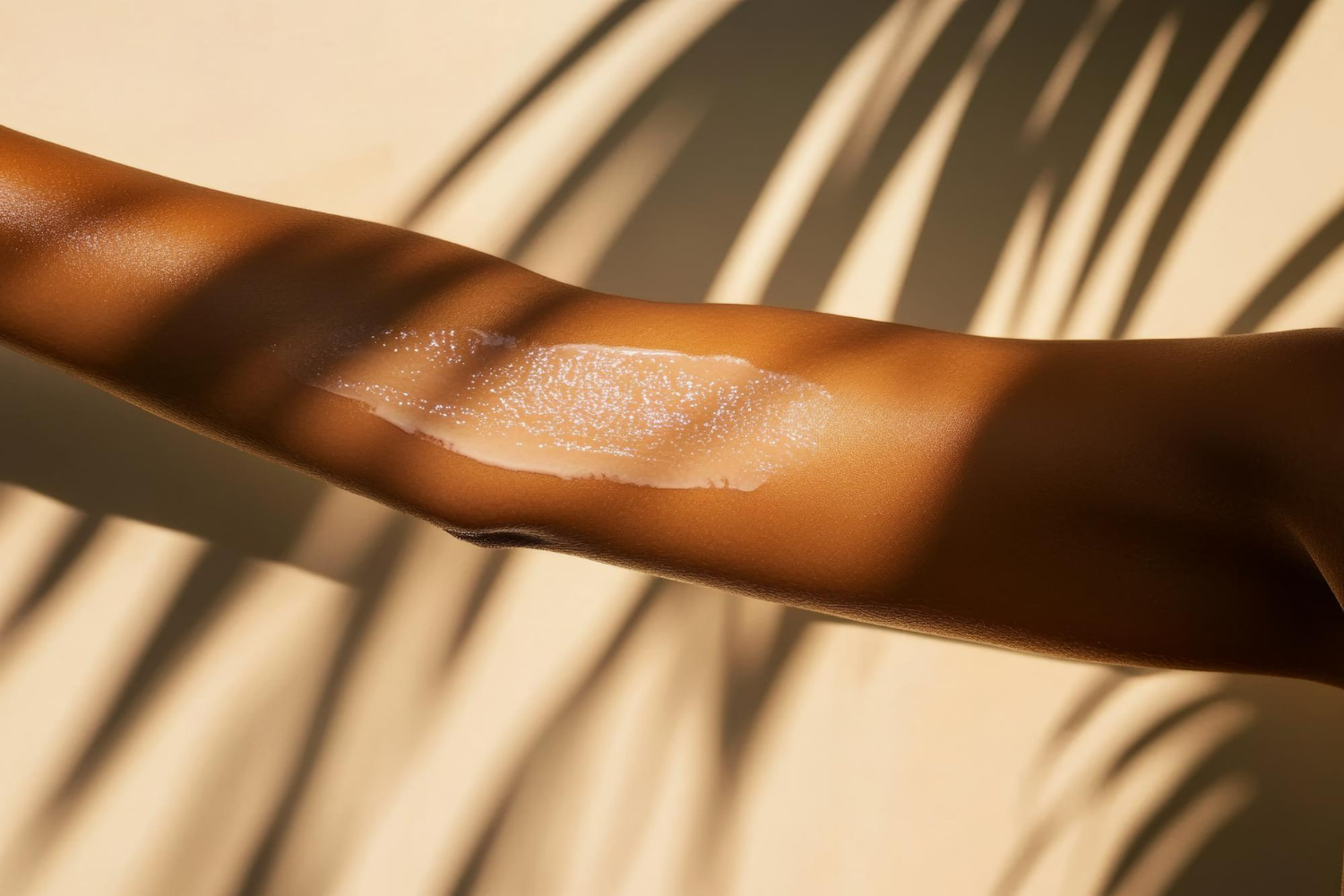
The benefits of SPF may not be noticeable tomorrow or even next month. But five to ten years from now, your skin will reflect the habits you practice today. Sunscreen is more than protection from sunburn—it’s an investment in healthier, smoother, and younger-looking skin for the future.
Protect your skin today, and your future self will thank you.
— Blog Author
Read the article: Skin as a Protective Barrier: Why Overtreated Skin Ages Faster