
We often assume that healthy skin depends mainly on skincare products and beauty routines. In reality, your skin is one of the body’s most sensitive indicators of your overall well-being. It responds quickly to stress, lack of sleep, and emotional strain, often revealing what is happening beneath the surface long before we recognize it ourselves.
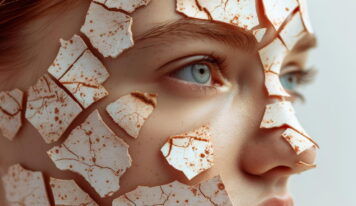
When we experience stress, the body releases cortisol, often called the “stress hormone.” In the short term, cortisol helps us respond to challenges by increasing alertness and energy. However, when stress becomes chronic, elevated cortisol levels can have a negative impact on the skin. It stimulates excess oil production, weakens the skin’s protective barrier, slows the healing process, and promotes inflammation. As a result, many people notice breakouts, irritation, redness, or increased skin sensitivity during particularly stressful periods.
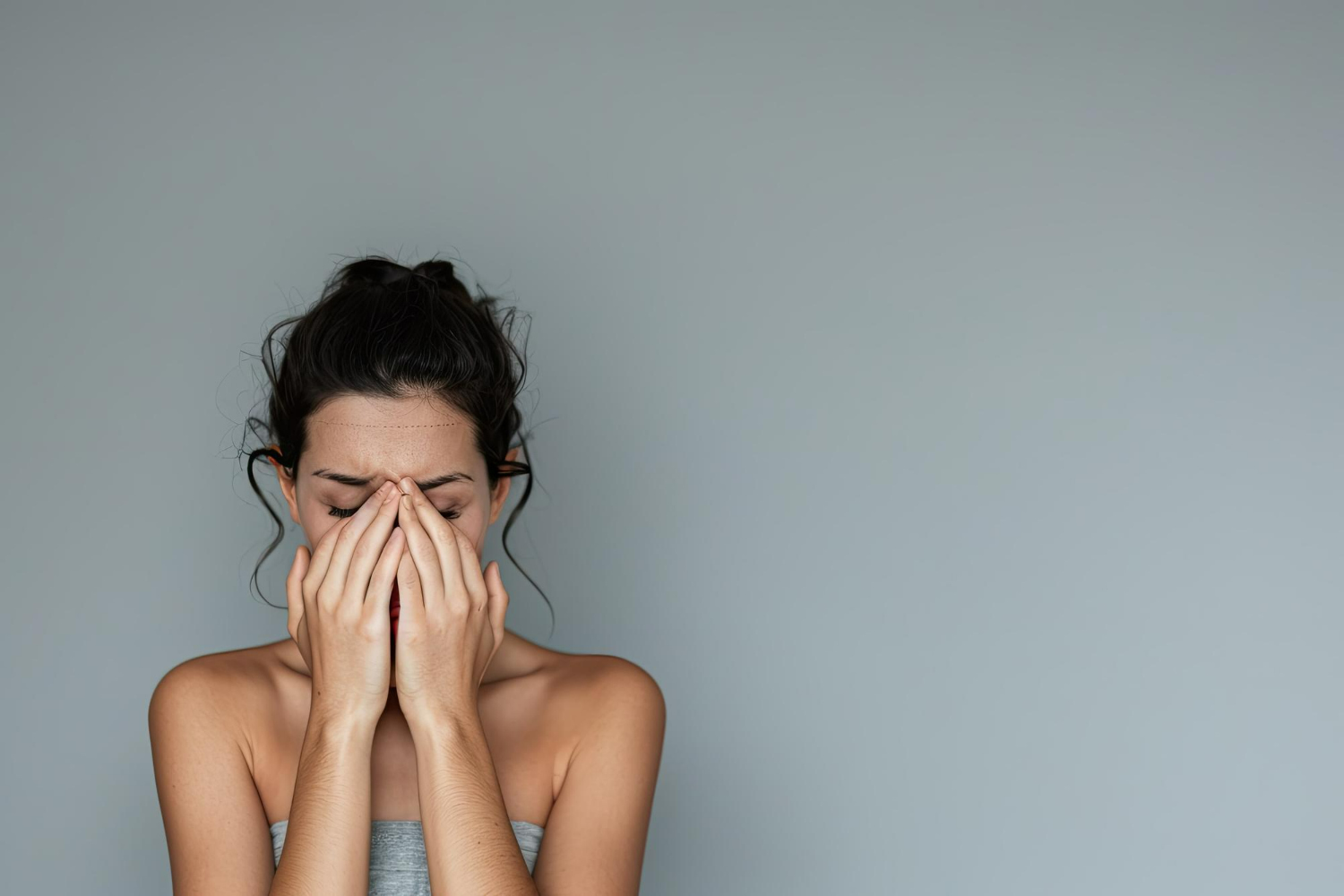
“Psychological stress can worsen the course of many skin diseases, including acne and atopic dermatitis.”
— Professor Jonathan Silverberg, Dermatologist

Stress doesn’t only trigger inflammation—it also affects the nervous system and blood circulation. When the body remains in a prolonged state of tension, tiny blood vessels constrict, reducing the flow of oxygen and nutrients to skin cells. This can leave the complexion looking dull and tired, with more noticeable dark circles and a loss of natural radiance. Even the most advanced skincare products cannot fully compensate for the effects of chronic stress if the body is constantly in survival mode.
Interestingly, the skin and the nervous system are closely connected from the earliest stages of human development. This explains why strong emotions can instantly cause blushing, itching, flushing, or heightened skin sensitivity. These reactions are not simply cosmetic—they are natural physiological responses to emotional experiences.
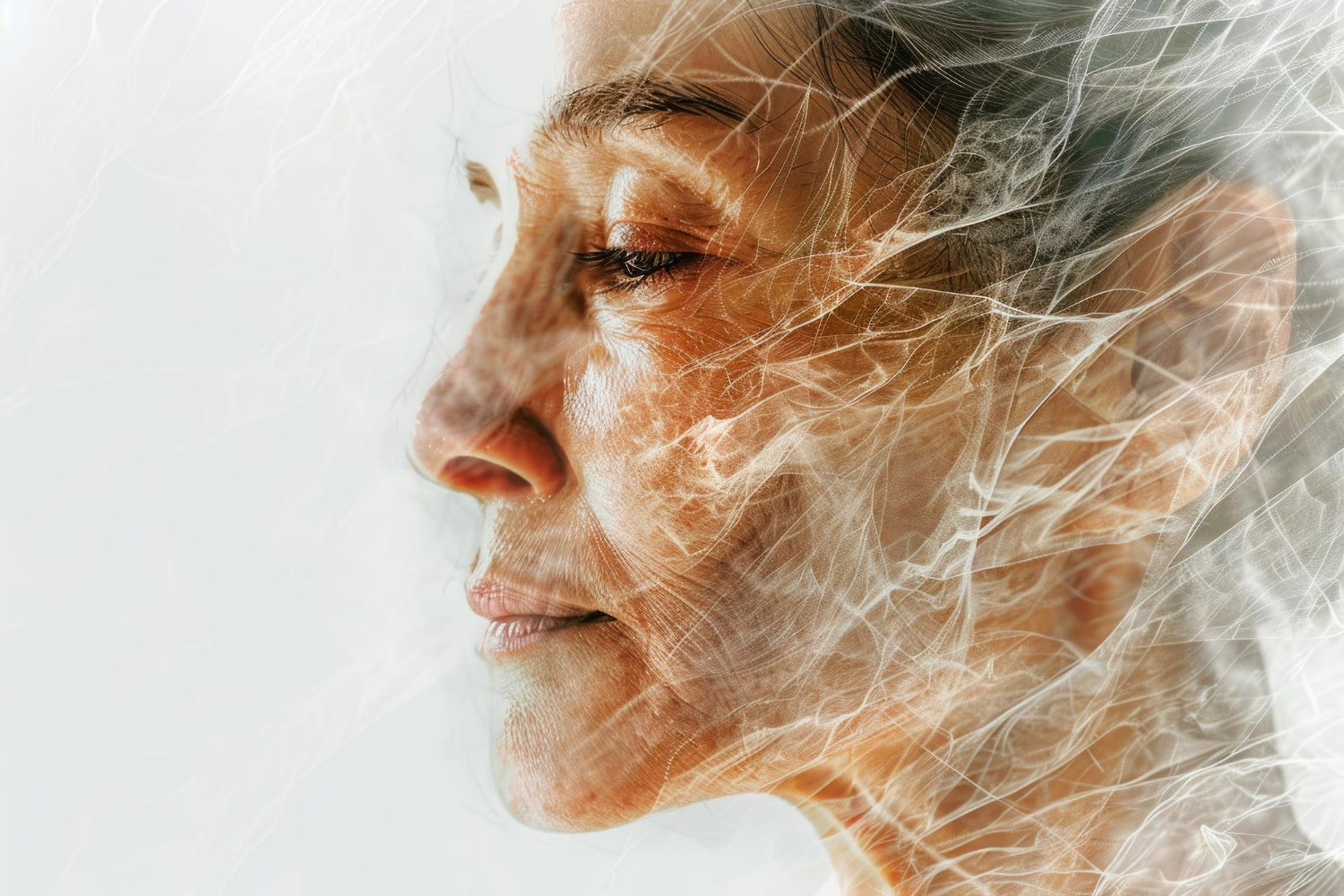
“The skin is a mirror of what’s happening inside both the body and the mind.”
— Dr. Amy Wechsler, Dermatologist and Psychiatrist
The good news is that supporting your skin goes far beyond choosing the right cleanser or moisturizer. One of the most effective beauty habits is getting enough quality sleep. During sleep, the skin repairs itself, collagen production increases, and inflammation naturally decreases.
Simple breathing exercises can also make a meaningful difference. Just a few minutes of slow, mindful breathing each day can help calm the nervous system and lower stress levels.
Regular physical activity is equally important. Walking, yoga, swimming, or any moderate exercise improves circulation, delivers more oxygen to the skin, and helps reduce cortisol. Even 30 minutes of movement a day can contribute to a healthier complexion and a greater sense of well-being.
“Almost everything will work again if you unplug it for a few minutes… including you.”
— Steve Jobs
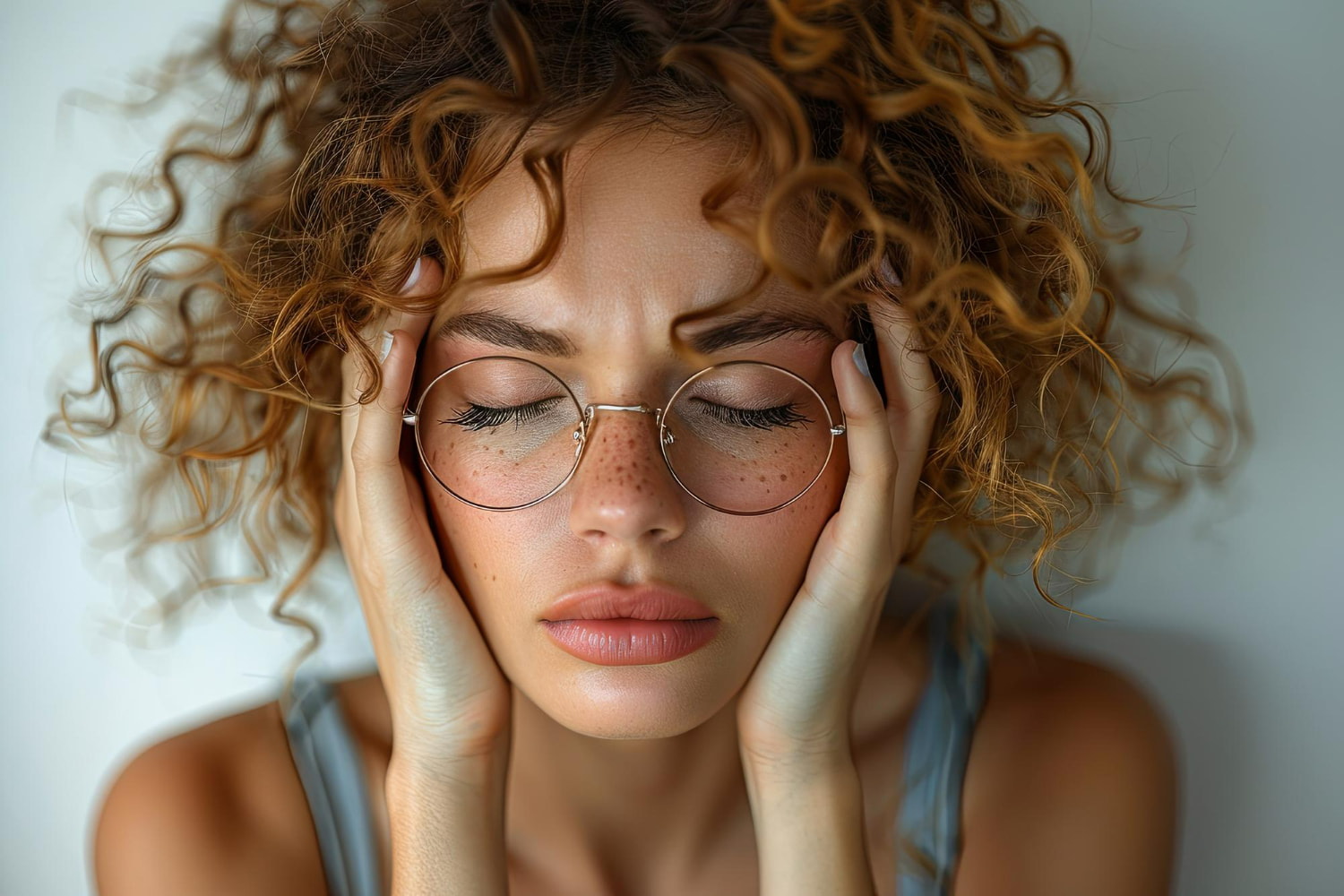
True skincare doesn’t begin in the bathroom—it begins with the way we care for our minds and bodies. While serums and moisturizers certainly have their place, they are most effective when paired with quality sleep, emotional balance, mindful breathing, and regular movement. Healthy, radiant skin is not only the result of what we apply to our faces, but also of how well we care for ourselves from within.
Read the article: SPF: The Most Underrated Habit for Youthful Skin