


Every child experiences a wide range of emotions—from joy and excitement to frustration, sadness, and fear. While these feelings are a natural part of growing up, not every child instinctively knows how to understand or express them in a healthy way. Emotional intelligence is the ability to recognize, understand, and manage emotions while also empathizing with others. Like any other life skill, it can be nurtured with patience, consistency, and support from caring adults.
Developing Emotional Literacy
Emotional literacy is the foundation of emotional intelligence. Children first need to learn to identify and name their emotions before they can regulate them. Parents can encourage this by talking openly about feelings in everyday situations. Instead of dismissing emotions or telling a child to “stop crying,” it is more helpful to acknowledge what they are experiencing and help them find words for it.


Reading stories, discussing characters’ emotions, and asking simple questions like, “How do you think you felt today?” can gradually strengthen a child’s emotional awareness. Over time, children learn that all emotions are acceptable, even if not all behaviors are.
The Role of Parents and Educators
Children develop emotional skills by observing the adults around them. Parents and teachers who respond calmly, listen without judgment, and validate children’s feelings create an environment where emotions feel safe rather than overwhelming. This does not mean protecting children from every disappointment, but helping them navigate difficult moments with guidance and empathy.
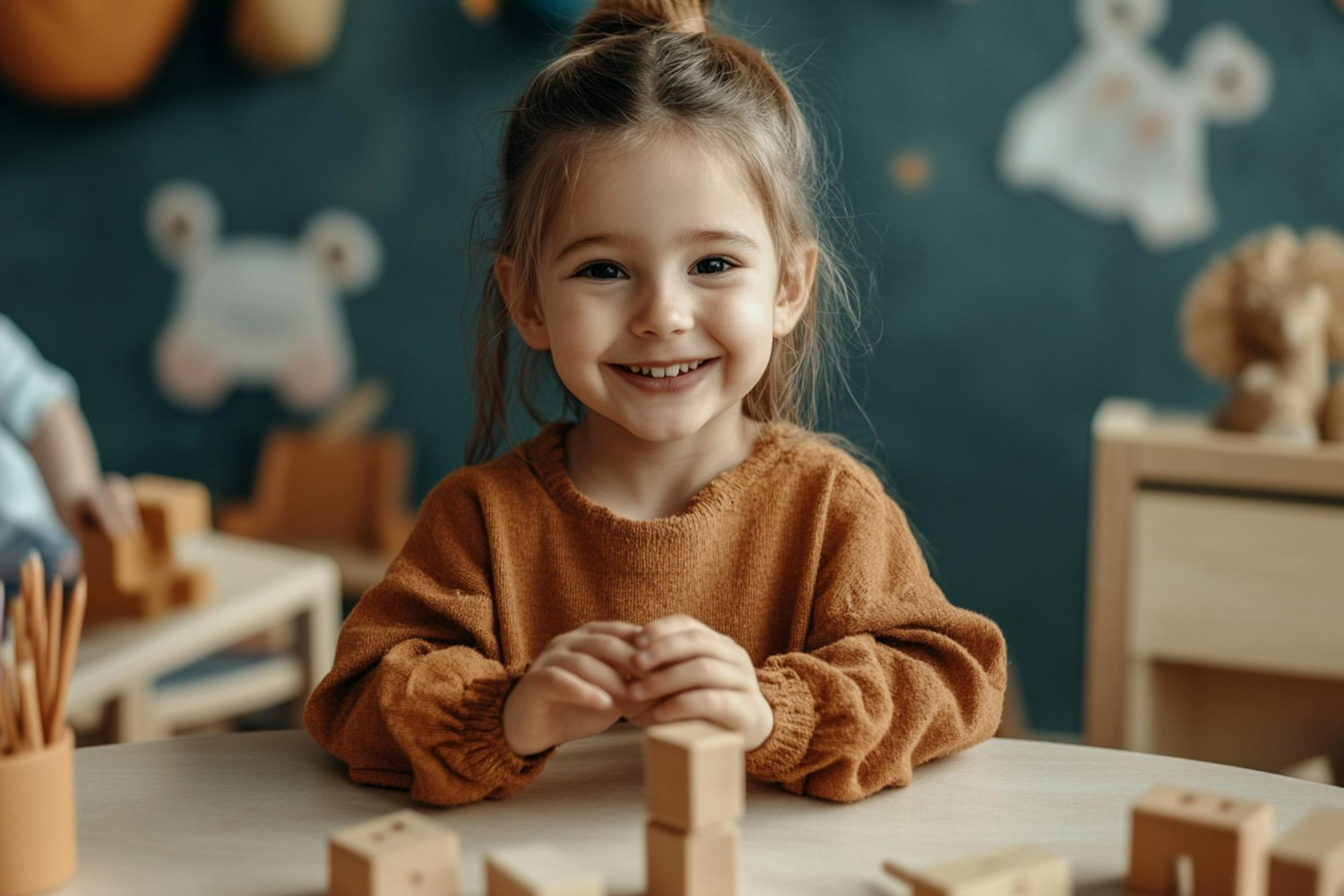
Consistent routines, respectful communication, and positive conflict resolution teach children that challenges can be managed without fear or aggression. When adults model emotional self-control, children naturally begin to imitate these healthy patterns.
Emotional Intelligence and Success in Learning and Social Adaptation
Emotional intelligence plays a significant role in both academic achievement and social development. Children who understand and regulate their emotions are often better able to concentrate, cope with stress, and recover from setbacks. They are also more likely to build positive friendships, communicate effectively, and resolve conflicts peacefully. These abilities contribute to greater confidence in the classroom and smoother adaptation to new environments. Rather than replacing intellectual abilities, emotional intelligence supports them by creating the emotional stability needed for learning and personal growth.

Helping a child develop emotional intelligence is a gradual process that unfolds through everyday conversations, shared experiences, and compassionate guidance. By creating a safe space where emotions are understood instead of judged, parents and educators give children lifelong tools for resilience, healthy relationships, and overall well-being. The lessons children learn about emotions today will continue to shape the way they face challenges, connect with others, and thrive throughout their lives.
Read the article: Childhood in the Digital Era: The Impact of Social Media on Children’s Development