

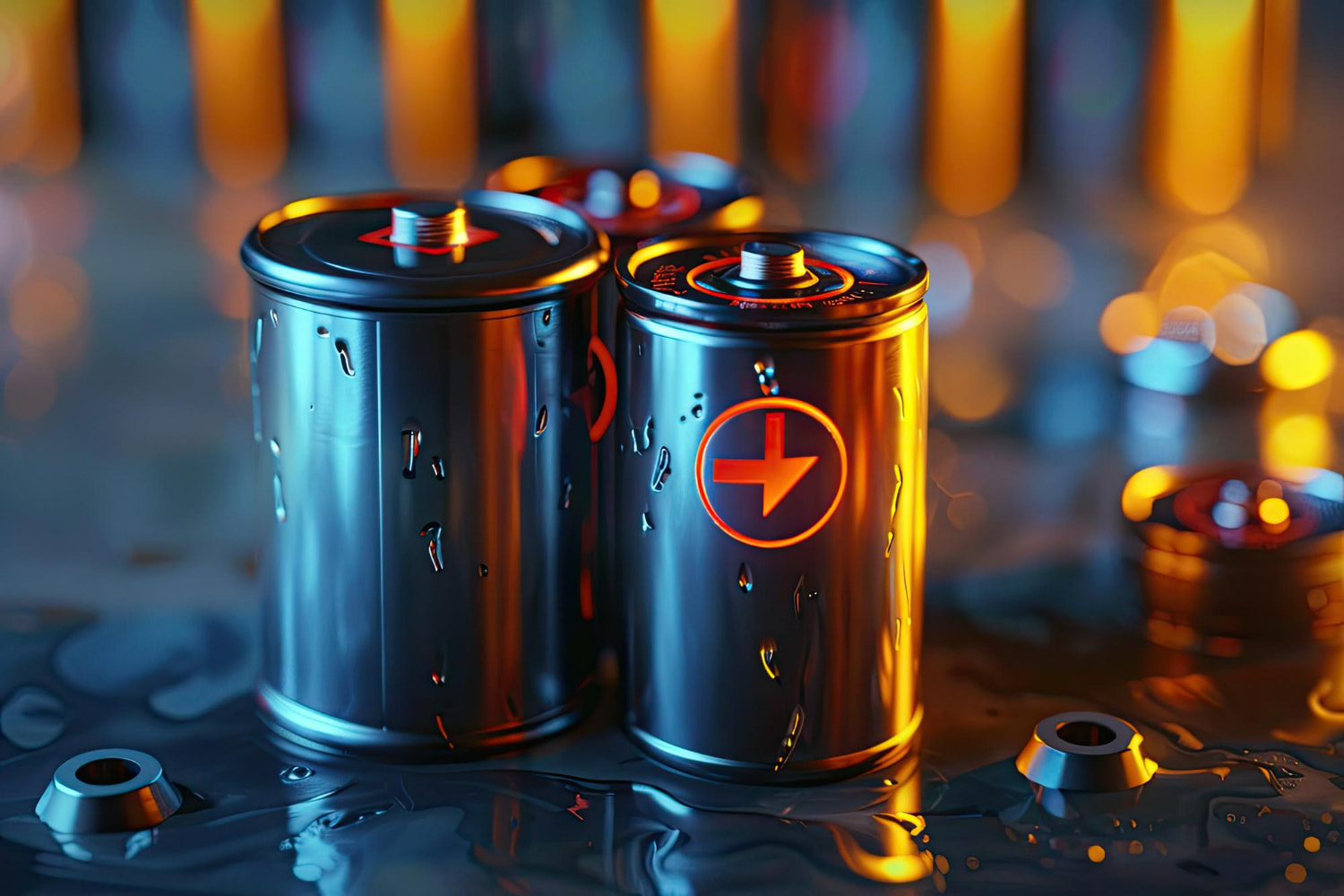
Imagine plugging your smartphone into a charger and being able to use it again just a few minutes later. Electric cars are charging faster, laptops can run for hours, and wireless devices can fit right in the palm of your hand. It almost feels like this technology has always been part of our lives.
But it all began with a scientist named John Bannister Goodenough.
Goodenough was born in 1922, and he began his most important work on lithium-ion batteries in the second half of the 20th century. In 1979, while working at the University of Oxford, he made a discovery that became a foundation of modern battery technology: he developed a lithium cobalt oxide cathode. This allowed batteries to store much more energy.

Goodenough later recalled:
“My more successful effort was to find a suitable cathode material for a lithium battery.”
— John B. Goodenough
But the most interesting part is that his discovery did not become a smartphone battery overnight. Other scientists continued developing the technology. Akira Yoshino created a practical battery design using a carbon-based anode, and in 1991, Sony began commercializing lithium-ion batteries. This chain of discoveries helped launch the age of portable electronics.
And this is where the story becomes even more remarkable.
In 2019, Goodenough received the Nobel Prize in Chemistry at the age of 97. His reaction was surprisingly simple:
“You live to be 97 and you can do anything.”
— John B. Goodenough
He shared the Nobel Prize with M. Stanley Whittingham and Akira Yoshino for the development of lithium-ion batteries.
But Goodenough did not stop there. Even in his 90s, he continued working on the next generation of batteries. Together with Maria Helena Braga, his team researched solid-state batteries that could potentially be safer, more durable, and faster to charge.
And perhaps the most powerful part of this story is what Goodenough said about the impact of his work:
“The joy of having helped create a technology that has improved the lives of so many people is reward enough.”
— John B. Goodenough
Today, lithium-ion batteries are everywhere — in smartphones, laptops, electric cars, and thousands of other devices.
So, the next time your phone charges in just a few minutes, remember that behind that small battery are decades of scientific research, experiments, and people who were willing to search for what seemed impossible.
Sometimes, all it takes to change the future is one idea.
Read the article: CRISPR: The Code We Can Rewrite