


Anger is often viewed as the defining emotion of men. It’s the emotion society is most willing to accept from them, while sadness, fear, shame, or vulnerability are often misunderstood or discouraged. But anger is rarely the primary emotion. More often, it’s a protective response that covers feelings that are much more difficult to acknowledge. Learning to understand what lies beneath anger is one of the most important steps toward emotional well-being and healthier relationships.
Behind Irritation Often Lies Fear, Shame, Powerlessness, or Pain.
Anger doesn’t usually appear out of nowhere. It is often triggered by emotions such as rejection, disappointment, insecurity, loneliness, or emotional pain. A man who feels criticized at work, ignored by his partner, or overwhelmed by life’s pressures may respond with frustration or anger because those emotions feel safer than admitting he feels hurt or afraid.

Anger can create a sense of control when everything else feels uncertain. Fear makes us feel exposed, shame can feel overwhelming, and powerlessness is deeply uncomfortable. Instead of facing those vulnerable emotions, the mind often turns them into anger. Looking beyond the reaction allows us to understand what truly needs attention and healing.

How Boys Are Taught to Suppress “Uncomfortable” Feelings.
Many boys grow up hearing messages like, “Boys don’t cry,” “Be strong,” or “Man up.” These phrases may seem harmless, but they teach children that only certain emotions are acceptable. As a result, boys often learn to hide sadness, fear, and vulnerability rather than express them in healthy ways.

The emotions don’t disappear—they simply change form. Over time, suppressed feelings may emerge as irritability, emotional withdrawal, defensiveness, or aggression. This doesn’t mean men experience fewer emotions than women. They experience the same emotional range but are often given fewer opportunities to express it openly and safely.
How to Recognize Your Emotions Before They Turn Into Aggression.
Emotional awareness begins with slowing down. Before reacting, ask yourself, “What am I actually feeling right now?” You may discover that beneath your anger are disappointment, fear, shame, loneliness, or emotional pain. Identifying those emotions reduces their intensity and makes it easier to respond thoughtfully instead of reacting impulsively.
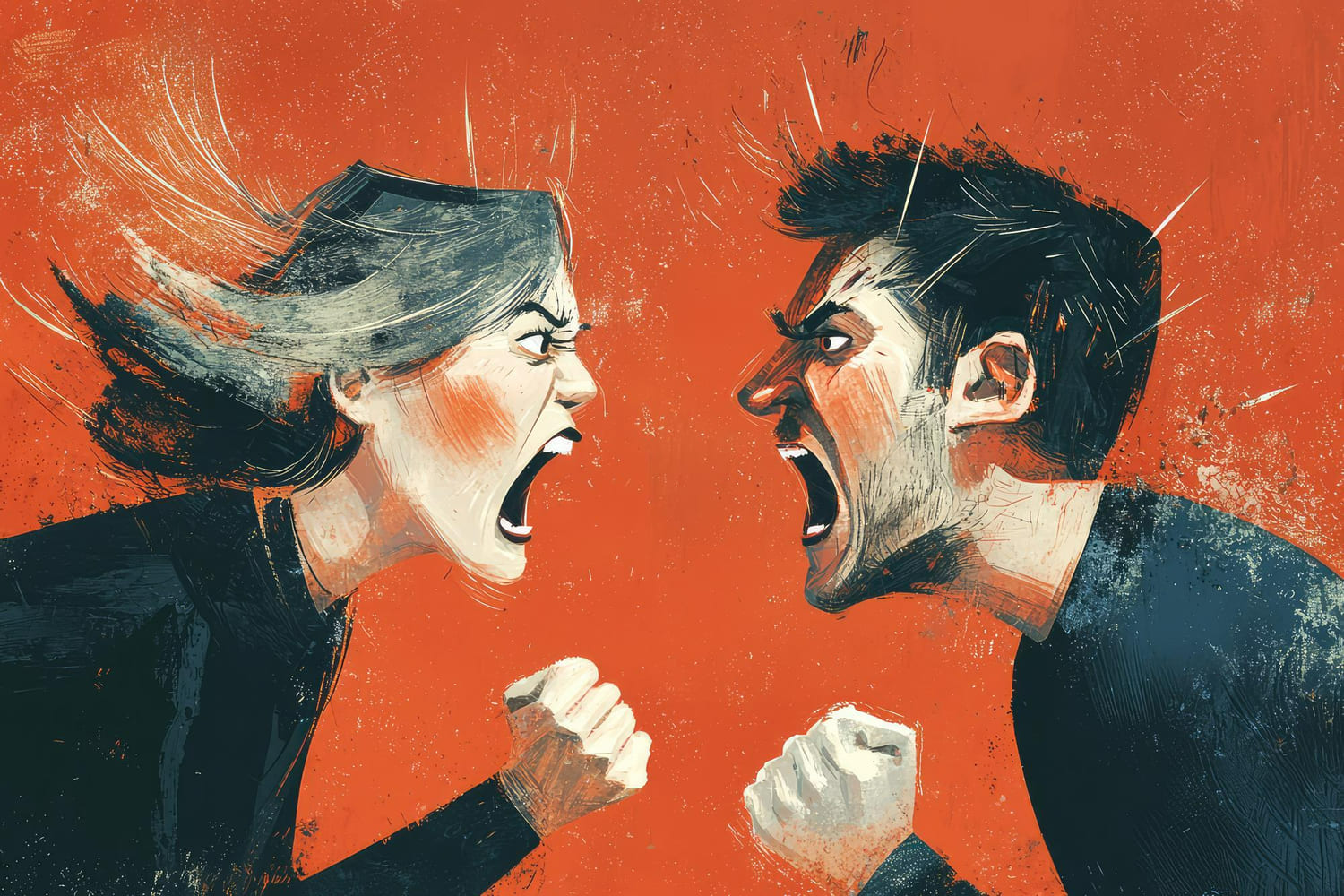
Simple practices such as taking a few deep breaths, journaling, or talking to someone you trust can help create space between the emotion and your response. That pause often makes the difference between an angry reaction and an honest conversation.
Anger itself is not the problem. It is an important emotional signal that tells us something needs attention. The real challenge is understanding what it is trying to protect. When men learn that vulnerability is not weakness but a sign of emotional courage, they become better equipped to build stronger relationships, communicate more openly, and care for their mental well-being. True strength isn’t found in hiding emotions—it’s found in recognizing them, understanding them, and expressing them in healthy, constructive ways.

Read the article: What is True Male Love?